

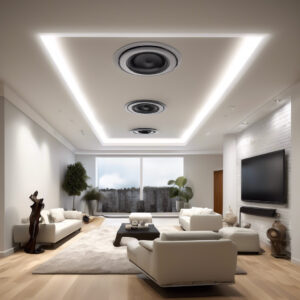
Starting a business in the audio industry, particularly in-ceiling speakers, can be an exciting and lucrative venture. With the rise of home automation, smart homes, and high-quality audio solutions, in-ceiling speakers have become a popular choice for consumers seeking unobtrusive, high-performance sound systems. However, launching a business in this niche requires careful planning, an understanding of market trends, and a clear strategy.
This article will guide you through the steps needed to start your in-ceiling speakers business. From understanding the market to creating a solid business plan, sourcing quality products, and developing a marketing strategy, we’ll cover everything you need to know to set up a successful business in this competitive industry.
Understanding the Market
Before diving into the business, it’s essential to understand the market dynamics and consumer demand. Here are some key points to consider:
Market Trends:
The global audio equipment market is growing, with a significant segment dedicated to in-ceiling and in-wall speakers.
Smart home integrations have fueled demand for seamless and hidden audio solutions.
Customers prioritize aesthetics, sound quality, and compatibility with smart home systems.
Target Audience:
Homeowners upgrading their entertainment systems.
Commercial establishments like offices, restaurants, and retail stores.
Builders and contractors working on new constructions or renovations.
Competition:
Identify key players in the industry and analyze their product offerings, pricing, and marketing strategies.
Consider niche opportunities, such as offering eco-friendly or luxury in-ceiling speaker systems.
Developing a Business Plan
A well-thought-out business plan is the backbone of your venture. It helps you define your goals, strategies, and financial projections. Here are the essential components:
Executive Summary:
Briefly outline your business idea, target market, and goals.
Market Analysis:
Detail your market research, including consumer demographics, preferences, and trends.
Product Line:
Define the types of in-ceiling speakers you plan to offer, such as budget-friendly options, high-end models, or specialized systems for smart homes.
Operations Plan:
Outline your supply chain, inventory management, and logistics.
Consider whether you will manufacture your speakers or partner with established manufacturers.
Financial Plan:
Estimate startup costs, including inventory, marketing, and operational expenses.
Project your revenue and profitability for the first three years.
Sourcing Products and Equipment
Deciding how to source your products is a critical step. You have two main options: manufacturing your own speakers or partnering with established suppliers.
Manufacturing:
Pros: Complete control over design, branding, and quality.
Cons: High initial investment and technical expertise required.
Partnerships:
Pros: Faster entry to market and lower startup costs.
Cons: Limited control over product design and quality.
Research potential suppliers and evaluate their product quality, reliability, and pricing. Ensure that the products meet industry standards and consumer expectations.
Setting Up Your Business
Once you have a clear business plan and product sourcing strategy, it’s time to set up your operations.
Legal Structure:
Choose the appropriate legal structure, such as a sole proprietorship, partnership, LLC, or corporation.
Register your business name and obtain necessary licenses and permits.
Location and Infrastructure:
Decide whether to operate online, through a physical store, or both.
Secure a warehouse or storage space for inventory.
Branding:
Develop a unique brand identity, including a logo, tagline, and color scheme.
Create a professional website and optimize it for e-commerce.
Marketing and Sales Strategy
Effective marketing is crucial to attract customers and build your brand.
Online Marketing:
Invest in search engine optimization (SEO) to improve your website’s visibility.
Utilize social media platforms to showcase your products and engage with customers.
Run targeted ad campaigns on platforms like Google Ads and Facebook.
Partnerships and Collaborations:
Partner with interior designers, builders, and contractors who can recommend your products to their clients.
Collaborate with tech bloggers and influencers to review and promote your speakers.
Customer Service:
Offer exceptional customer support, including installation guides and troubleshooting assistance.
Provide warranties and flexible return policies to build trust.
Managing Finances
Sound financial management ensures the long-term success of your business. Key areas to focus on include:
Pricing Strategy:
Determine competitive pricing based on production costs, market demand, and competitor pricing.
Cost Control:
Monitor your expenses and find ways to reduce costs without compromising quality.
Funding:
Explore funding options, such as small business loans, grants, or investments from venture capitalists.
Financial Tracking:
Use accounting software to manage your finances and generate reports.
Scaling Your Business
Once your business gains traction, consider expanding your operations.
Product Diversification:
Introduce complementary products, such as amplifiers, smart home integration kits, or outdoor speakers.
Geographic Expansion:
Explore new markets, including international opportunities.
Franchise Model:
Consider franchising your business to accelerate growth.
Conclusion
Starting an in ceiling speakers business requires thorough planning, market understanding, and a commitment to quality. By following the steps outlined in this guide, you can establish a strong foundation for your venture and position yourself for success in the growing audio equipment market.
Remember, building a successful business takes time and effort. Stay adaptable, keep up with industry trends, and prioritize customer satisfaction. With persistence and strategic execution, your in-ceiling speakers business can thrive and become a leader in the industry.