

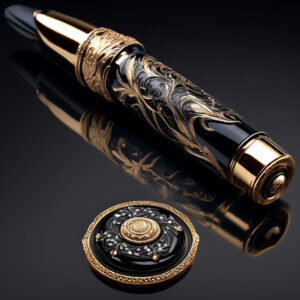
Fountain pens have captivated enthusiasts and collectors for generations. With their elegance, smooth writing experience, and variety of styles, they remain a staple for those who appreciate fine writing instruments. If you have a passion for fountain pens and a keen business sense, starting a “Best Fountain Pens” business can be a rewarding venture. This guide will walk you through the essential steps, from market research and sourcing products to marketing and customer engagement.
Understanding the Market
Before launching a fountain pen business, it’s crucial to research the market. The fountain pen industry includes a mix of casual users, dedicated collectors, calligraphers, and professionals who value high-quality writing tools. Understanding your potential customers will help you tailor your business to meet their needs.
Identify Your Niche: The fountain pen market is diverse, ranging from budget-friendly starter pens to high-end luxury pens. Decide whether you want to focus on everyday writers, rare collectible pens, or a combination of both.
Analyze the Competition: Research existing businesses to understand their strengths and weaknesses. Look at online retailers, brick-and-mortar stores, and specialty shops to see what they offer and identify gaps you can fill.
Understand Consumer Trends: Stay updated on trends such as sustainable materials, limited edition releases, or the resurgence of vintage pens. Engaging with fountain pen communities can provide valuable insights into customer preferences.
Developing a Business Plan
A well-structured business plan will serve as your roadmap to success. Key elements include:
Business Model: Will you operate an online store, a physical retail shop, or a combination of both? Each has its own benefits and challenges.
Initial Investment: Calculate startup costs, including inventory, website development, marketing, and operational expenses.
Revenue Streams: Consider multiple income sources such as direct pen sales, ink and accessories, repair services, or fountain pen appraisals.
Marketing Strategy: Outline how you plan to attract and retain customers.
Sourcing Your Products
Choosing the right products is fundamental to your business’s success. There are several ways to source inventory:
Wholesale Suppliers: Partner with manufacturers or distributors to purchase pens at bulk discounts. Brands like Pilot, Lamy, Montblanc, and Sailor often have wholesale options.
Direct from Manufacturers: Establishing direct relationships with manufacturers can give you access to exclusive models and better pricing.
Vintage and Collectible Pens: If you specialize in rare or vintage pens, consider sourcing from auctions, estate sales, and private collectors.
Custom and Private Labeling: If you want to create a unique brand, you can work with manufacturers to design and produce exclusive fountain pens under your label.
Building an Online Presence
In today’s digital world, an online presence is essential. Whether you choose to sell through an e-commerce website, online marketplaces, or social media, you need a strategy to reach customers effectively.
Website Development: A professional, user-friendly website is crucial. Invest in high-quality product photography, detailed descriptions, and an easy-to-navigate layout.
SEO and Content Marketing: Optimize your website with relevant keywords like “best fountain pens for beginners” or “luxury fountain pens.” Blogging about pen reviews, writing tips, and industry trends can drive organic traffic.
Social Media Engagement: Platforms like Instagram, YouTube, and TikTok are great for showcasing pens through videos and images. Engaging with pen communities and influencers can boost visibility.
Email Marketing: Build a mailing list to send promotions, newsletters, and educational content about fountain pens.
Customer Experience and Retention
Providing excellent customer service will help you build a loyal customer base. Consider these strategies:
Educational Resources: Create guides on topics like “How to Choose Your First Fountain Pen” or “Fountain Pen Maintenance Tips.”
Loyalty Programs: Offer discounts or rewards for repeat customers.
Personalized Service: Handwritten thank-you notes or custom engraving can create a unique customer experience.
Fast and Secure Shipping: Ensure reliable delivery and offer tracking options.
Scaling Your Business
Once your business is established, consider expanding through:
Wholesale and B2B Sales: Partner with schools, offices, or corporate gift suppliers.
Collaborations and Limited Editions: Work with artists or brands to release exclusive designs.
Brick-and-Mortar Expansion: If feasible, open a retail store to provide a hands-on shopping experience.
Conclusion
Starting a fountain pen business requires passion, research, and strategic planning. By understanding your market, sourcing quality products, and building strong customer relationships, you can create a thriving business. Whether you focus on luxury pens, affordable writing tools, or vintage collections, success comes from delivering value to your customers. With dedication and the right approach, your “Best Fountain Pens” business can flourish in the world of fine writing instruments.