

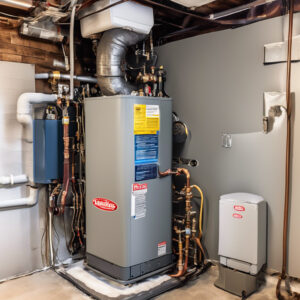
The HVAC (Heating, Ventilation, and Air Conditioning) industry is a thriving sector that offers stability and growth potential for entrepreneurs. With increasing demand for energy-efficient systems and the continuous need for climate control in residential, commercial, and industrial settings, starting an HVAC professional business can be a lucrative venture. However, entering this competitive market requires a well-thought-out plan, technical expertise, and strategic execution. This article provides a step-by-step guide on how to launch and grow a successful HVAC business.
HVAC Industry
HVAC systems are integral to modern living, ensuring comfort, safety, and air quality in various environments. From routine maintenance to emergency repairs and new installations, HVAC professionals provide essential services. The market’s growth is fueled by advancements in technology, sustainability initiatives, and increased awareness of indoor air quality.
Starting an HVAC business can be rewarding but demands significant preparation. Beyond technical skills, you need business acumen, a solid customer base, and compliance with industry regulations. Here’s how to turn your HVAC expertise into a successful enterprise.
Gain the Necessary Skills and Certifications
Before launching your HVAC business, ensure you have the proper technical training and certifications. Most HVAC professionals complete a combination of education, apprenticeship, and on-the-job training. Here’s what you need:
Education: Enroll in a technical or trade school that offers HVAC programs. Courses typically cover refrigeration, electrical systems, heating systems, and environmental safety.
Certification and Licensing: Obtain the required certifications such as EPA Section 608 Certification, which is mandatory for handling refrigerants. Research state and local licensing requirements, as they vary widely.
Continuing Education: Stay updated with the latest HVAC technologies and trends through workshops, online courses, and professional organizations.
Develop a Business Plan
A solid business plan is the foundation of any successful venture. It outlines your goals, strategies, and the resources needed to achieve them. Here’s what to include:
Executive Summary: Briefly describe your business, target market, and goals.
Market Research: Analyze your competitors and identify gaps in the market. Determine whether your focus will be residential, commercial, or industrial services.
Services Offered: List the services you will provide, such as installations, maintenance, repairs, and energy audits.
Financial Projections: Include startup costs, pricing strategies, revenue forecasts, and potential profitability.
Marketing Plan: Outline how you’ll attract and retain customers through advertising, promotions, and customer service.
Register Your Business
Once you have a clear business plan, it’s time to make your business official. Follow these steps to register your HVAC company:
Choose a Business Name: Select a name that is unique, memorable, and reflective of your services.
Select a Business Structure: Decide whether to operate as a sole proprietorship, partnership, LLC, or corporation. Consult a legal or financial advisor to choose the structure that best suits your needs.
Obtain Licenses and Permits: Apply for the necessary HVAC contractor licenses, business permits, and insurance. Common types of insurance include general liability, workers’ compensation, and vehicle insurance.
Tax Identification Number: Register for a Tax Identification Number (TIN) from the IRS and any required state-level tax registrations.
Secure Funding and Equipment
Starting an HVAC business requires significant investment in tools, equipment, and vehicles. Consider these funding options:
Personal Savings: Use personal savings if possible to minimize debt.
Small Business Loans: Apply for loans from banks or credit unions specializing in small businesses.
Grants: Explore government or private grants available for HVAC startups or energy-efficient initiatives.
Leasing Equipment: If purchasing outright isn’t feasible, consider leasing expensive equipment such as refrigerant recovery systems, diagnostic tools, and service vehicles.
Build a Skilled Team
An HVAC business’s success often depends on the expertise of its team. Hire qualified technicians who share your commitment to quality and customer service. Implement training programs to ensure consistent service standards and professional growth.
Additionally, establish a positive company culture that values safety, teamwork, and innovation. A motivated and skilled workforce will not only improve productivity but also enhance your company’s reputation.
Develop a Marketing Strategy
Attracting customers is critical for your HVAC business’s growth. Develop a comprehensive marketing plan that includes:
Online Presence: Create a professional website showcasing your services, expertise, and customer reviews. Optimize it for local SEO to appear in search results when potential clients look for HVAC services in your area.
Social Media: Use platforms like Facebook, Instagram, and LinkedIn to promote your business, share tips, and engage with customers.
Local Advertising: Advertise in local newspapers, radio, and community boards. Participate in home improvement expos or sponsor local events to increase visibility.
Referral Programs: Encourage satisfied customers to refer your services by offering discounts or incentives.
Focus on Customer Service
Exceptional customer service sets you apart from competitors and builds loyalty. Train your team to:
- Communicate clearly and professionally with clients.
- Respond promptly to inquiries and service calls.
- Provide accurate estimates and timelines.
- Follow up with customers after completing a job to ensure satisfaction.
Satisfied customers are more likely to leave positive reviews and recommend your services to others, contributing to long-term success.
Stay Compliant and Adapt
The HVAC industry is subject to various regulations, including safety standards, environmental laws, and labor laws. Stay compliant by:
- Regularly renewing licenses and certifications.
- Keeping up-to-date with changes in industry regulations.
- Maintaining proper documentation for tax and audit purposes.
Additionally, adapt to industry trends such as smart HVAC systems, energy-efficient solutions, and eco-friendly refrigerants. Staying ahead of the curve can position your business as a leader in the field.
Conclusion
Starting an HVAC professional near me business requires a blend of technical expertise, business planning, and customer focus. By following these steps, you can build a strong foundation for your company and position yourself for growth in a competitive industry. Remember, success doesn’t happen overnight. Dedication, continuous learning, and a commitment to quality service will help you achieve your goals.
Whether you’re passionate about providing top-notch service or driven by the potential for financial independence, the HVAC industry offers opportunities to thrive. Begin your journey today and make a lasting impact on the comfort and well-being of your community.