

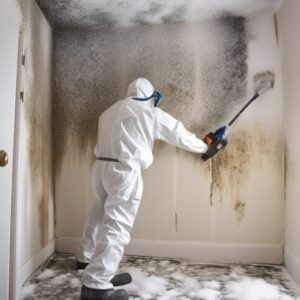
Starting a mold remediation business in Los Angeles can be a lucrative and rewarding venture, given the city’s unique climate and dense population. Mold is a common issue in homes and commercial properties due to moisture problems often exacerbated by water damage, plumbing leaks, and high humidity. With increasing awareness of health impacts associated with mold exposure, there is a strong demand for professional mold remediation services. However, entering this industry requires strategic planning, a thorough understanding of regulations, and an effective business model to compete in a saturated market. This article will guide you through the essential steps to start and run a successful mold remediation business in Los Angeles.
Understanding the Mold Remediation Industry
The mold remediation industry involves inspecting, identifying, and removing mold growth in buildings. Mold can cause severe health issues such as allergies, respiratory problems, and skin irritation, which makes professional remediation crucial. The industry has grown as property owners seek specialists who can efficiently and safely address mold issues to ensure their spaces remain healthy.
Key Points to Understand:
Common Sources of Mold: Water leaks, poor ventilation, and flood damage.
Health Risks: Mold exposure can lead to respiratory issues, especially in individuals with pre-existing conditions or compromised immune systems.
Industry Trends: Growing demand for eco-friendly remediation methods and comprehensive inspection services.
Research the Market in Los Angeles
Before launching your business, conduct thorough market research to understand the specific demands and competition in Los Angeles. This city’s climate, with periods of high humidity and heavy rainfall, provides ample opportunities for mold growth, especially in older buildings.
Steps for Market Research:
Analyze Competitors: Identify established mold remediation businesses and evaluate their services, pricing strategies, and customer reviews.
Identify Target Clients: Focus on homeowners, property managers, real estate agents, and commercial property owners.
Stay Informed: Keep up-to-date with trends in building materials and mold prevention technologies.
Meet Licensing and Certification Requirements
Operating a mold remediation business requires adhering to local and federal regulations. The state of California has specific laws that guide mold remediation practices.
Key Certification Requirements:
California Contractors State License Board (CSLB): To perform mold remediation, you may need a general contractor’s license or specific certifications for handling mold and water damage.
Certified Mold Remediation Specialist: Obtaining certification from recognized organizations such as the Institute of Inspection, Cleaning and Restoration Certification (IICRC) is essential. The IICRC’s Applied Microbial Remediation Technician (AMRT) course is highly recommended.
Environmental Protection Agency (EPA) Guidelines: Ensure compliance with EPA regulations for handling mold and using approved products.
Develop a Business Plan
A comprehensive business plan is critical for outlining your business objectives, strategies, and financial forecasts. It helps in attracting investors and guides the initial setup and growth of your business.
Components of a Business Plan:
Executive Summary: A brief overview of your business model and services.
Market Analysis: Detailed research on competitors and potential clients in Los Angeles.
Service Description: List the specific mold remediation services you will provide, such as inspection, removal, mold-proofing, and water damage restoration.
Marketing Strategy: Outline how you plan to promote your services, including digital marketing, partnerships with local real estate agents, and community outreach.
Financial Plan: Budget for equipment, certifications, marketing expenses, and initial staffing needs. Ensure you plan for unforeseen costs associated with remediation projects.
Secure Financing for Your Business
Starting a mold remediation business requires a significant initial investment. Equipment costs, licensing fees, and marketing expenses can add up quickly. Explore funding options that align with your financial situation.
Financing Options:
Small Business Loans: Apply for loans from banks or credit unions with a clear business plan to secure funding.
SBA Loans: The U.S. Small Business Administration offers favorable loan terms for small businesses.
Investors: Seek local investors or partnerships to help fund your business in exchange for a share of profits.
Acquire Essential Equipment and Supplies
Investing in high-quality equipment is essential for delivering professional services. Ensure your tools and supplies meet industry standards for safety and efficiency.
Essential Equipment Includes:
Personal Protective Equipment (PPE): Respirators, suits, and gloves to protect workers.
Moisture Meters: For detecting hidden sources of moisture.
Air Scrubbers and HEPA Vacuums: To filter air and remove airborne mold spores.
Dehumidifiers: To reduce moisture levels in affected areas.
Antimicrobial Chemicals: EPA-approved cleaning agents for mold treatment.
Containment Materials: Plastic sheeting and tape to seal off areas during remediation.
Set Up Business Operations
Organize your business by establishing a workspace, whether it’s an office or a warehouse, and building your team. Hire qualified personnel with experience in mold remediation, water damage restoration, or related fields.
Operational Considerations:
Office and Storage: Rent a location that allows you to store equipment and conduct business operations.
Staffing: Start with a small team of trained technicians and scale up as your client base grows.
Software Tools: Invest in project management software to schedule jobs, track progress, and manage client information.
Implement Effective Marketing Strategies
In a competitive market like Los Angeles, it’s crucial to establish a strong brand presence. Effective marketing will help you reach potential clients and build trust in your services.
Marketing Tactics:
Digital Marketing: Develop a professional website optimized for local SEO and invest in Google Ads to appear in searches for “mold remediation Los Angeles.”
Social Media: Use platforms such as Instagram and Facebook to showcase before-and-after project photos and share client testimonials.
Partnerships: Collaborate with local real estate agents, home inspectors, and property management companies for referrals.
Local Listings: Ensure your business is listed on directories like Yelp, Angie’s List, and the Better Business Bureau.
Focus on Customer Service and Quality Assurance
Building a reputation for excellent service will help differentiate your business in the Los Angeles market. Addressing client concerns promptly and providing thorough remediation services can lead to repeat business and positive word-of-mouth.
Tips for Quality Assurance:
Detailed Inspections: Conduct comprehensive assessments to identify all areas affected by mold.
Clear Communication: Keep clients informed throughout the remediation process, explaining each step and the results.
Follow-Up Services: Offer post-remediation inspections to ensure mold has not returned.
Stay Compliant and Adaptable
Compliance with health and safety regulations is crucial for protecting both employees and clients. Regularly review and update your processes to reflect industry advancements and changes in regulations.
Tips for Staying Compliant:
Continuous Training: Invest in ongoing training for yourself and your employees to stay knowledgeable about new mold removal techniques and safety standards.
Insurance: Obtain liability insurance to protect your business from potential claims.
Conclusion
Starting a mold remediation business in Los Angeles presents an opportunity to provide valuable services that protect homes and businesses from the dangers of mold. Success in this industry depends on meticulous planning, acquiring necessary certifications, securing financing, and maintaining high standards of service. By following these steps, you can build a reputable and profitable mold remediation companies Los Angeles that meets the needs of one of the most dynamic and environmentally conscious cities in the country. Investing in quality service and customer relationships will help you establish a strong foothold and foster long-term growth in the Los Angeles market.