

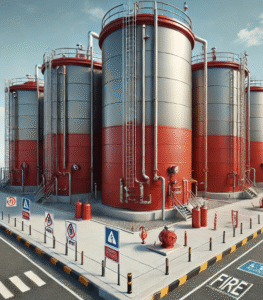
Launching a company that designs, builds, and services fire water storage tanks isn’t just a smart niche—it’s a durable, infrastructure-anchored business with steady demand from industrial plants, data centers, utilities, logistics hubs, schools, hospitals, and municipalities. If you approach it with precision, compliance discipline, and a partnership mindset, you can grow a brand that wins bids, retains service contracts, and commands premium margins over time. Below is a step-by-step playbook to get you moving—quickly and wisely.
Understand the Market You’re Entering
Fire water storage tanks sit at the intersection of life-safety and capital projects. Your customers aren’t buying décor; they’re purchasing risk reduction, insurance compliance, and operational continuity. That reality shapes everything—your sales cycle, your pricing, your warranty structure, and your long-term revenue opportunities in inspections and maintenance.
Even beyond traditional factories and warehouses, demand drivers are evolving. Consider how new water-intensive industries and infrastructure scrutiny are reshaping local needs and budgets. For example, data center growth has intensified water planning debates in multiple regions, elevating the priority of dedicated fire water reserves and resilient onsite storage. Bloomberg reported on AI-driven infrastructure strains and water usage patterns that are now front-page business issues. Bloomberg
At the same time, utility and regulatory headlines illustrate how investment swings, performance problems, and public expectations can impact water infrastructure funding—conditions that often translate into capital improvements, upgrades, and service contracts across your target buyer set. For instance, Reuters covered a UK utility’s losses tied to infrastructure incidents and catch-up investment, an example of how public pressure and balance-sheet realities can catalyze spending. Reuters
Get the Technical Foundations Right
Your credibility lives and dies by standards and specs. Fire water storage projects typically interface with (and are influenced by) codes and guidance from organizations such as NFPA, FM Global, and local building and fire officials. Even when a client’s engineer of record leads design, you’ll be expected to speak the same language—and flag issues before they become change orders or failures.
-
Tank types & materials: Bolted steel, welded steel, concrete, and fiberglass each carry different cost, lead time, and lifecycle tradeoffs. Your early line card should favor one or two dominant systems you can stand behind operationally. For context and fundamentals, reviewing general references on water storage helps new teammates ramp fast; see the overview of tank use cases and materials on Wikipedia’s Water tank page. Wikipedia
-
Hydraulics & volume planning: Effective capacity must satisfy fire flow, duration, and refill requirements in concert with pumps, hydrants, and any municipal constraints.
-
Ancillary systems: Don’t overlook valves, level instrumentation, cathodic protection, liners/coatings, heat tracing in cold climates, and seismic anchorage where applicable.
-
Documentation: Submittals, as-builts, O&M manuals, inspection logs, and warranty terms are not paperwork to “get through”—they are deliverables you can monetize and a key reason customers keep you.
Pick a Profitable Entry Point (Then Expand)
A common mistake is trying to do everything on day one. Instead, choose one or two entry lanes that match your skills, local demand, and cash position:
-
New installs for private industry: Position around schedule certainty, turnkey coordination, and clear commissioning milestones.
-
Retrofits and replacements: Many facilities have aging tanks with liner breakdown, corrosion, or non-conforming access/venting; these are high-margin projects if you package engineering, demo, install, and recommissioning.
-
Inspection and maintenance programs: Annual and five-year inspections, cleaning, cathodic checks, seal replacements, and coatings create recurring revenue and customer stickiness.
-
Emergency repair & remediation: Storm, freeze, or impact incidents create time-sensitive opportunities. If you can mobilize quickly (and safely), you’ll win grateful, long-term customers.
As you build confidence, add adjacent services such as pump house upgrades, fire main tie-ins, and water reuse integration (where permitted). Market shifts can open unexpected lanes: large infrastructure plans and corporate capital programs often elevate water assets as board-level priorities. (For instance, multi-billion-euro investment roadmaps among European utilities have emphasized water networks as regulated growth pillars, as reported by Reuters on ACEA’s strategy.) Reuters
Build a Compliance-First Operating System
From your first estimate to your last punch-list, design your company around preventing compliance misses:
-
Pre-bid due diligence: Request and review the basis of design, fire flow calculations, seismic requirements, soil reports, coatings specs, and any insurance carrier conditions.
-
Permitting & inspection choreography: Map the sequence—submittal approval, foundation inspection, tank erection checkpoints, hydrostatic tests, disinfection (where required), and final walk-through with the AHJ (Authority Having Jurisdiction).
-
Documentation culture: Treat submittal logs and RFI tracking as part of your brand. Create templates so every job looks the same to customers and inspectors.
-
Change-order clarity: Define assumptions and exclusions; when unknowns emerge, process changes fast and transparently.
Price With Discipline (and Protect Your Margin)
Fire water tanks are capital assets. Your pricing must cover much more than steel plates and bolts:
-
Direct costs: Tank kit, foundation, coatings/liners, nozzles, vents, ladders, guardrails, mixers, heaters, level instruments, and freight.
-
Indirect costs: Engineering hours, safety equipment, travel/per diem, crane time, site prep, temp fencing, and waste disposal.
-
Risk & cash: Escalation, currency swings on imported components, bonding, insurance, and retainage—plus the cost of money while you wait for milestone payments.
Create a standard estimating model that bakes in contingency and escalators; tie purchase orders to price-validity windows; and align payment milestones to material releases. For recurring service contracts, emphasize uptime, inspection reporting, and regulatory peace of mind instead of “hours on site.”
Craft a Sales Motion That Engineers Trust
Engineers and facility managers value responsiveness, accuracy, and problem-solving. Your marketing should reflect that:
-
Proof over puffery: Publish case briefs with constraints, design choices, test results, and lessons learned.
-
Bid packages that make reviewers smile: Clean drawings, concise clarifications, and compliant submittals get you invited back.
-
Education as marketing: Host lunch-and-learns on coatings, seismic anchorage, or cathodic protection; offer checklists for annual inspections.
-
Safety as a differentiator: Many buyers will pay more for a contractor with spotless safety records, documented lift plans, and daily JHAs.
Meanwhile, track macro headlines that influence your customers’ budgets and risk posture. Business-news cycles around water quality, leakage, and infrastructure performance often drive board-approved spending or emergency appropriations—opening doors for tank upgrades and resilience projects. (See, for example, continued scrutiny of wastewater and infrastructure issues highlighted by Reuters’ reporting on system performance and oversight.) Reuters
Staff for Quality, Not Just Capacity
Early hires set your culture. Prioritize:
-
A field superintendent who can “read the site”—sequence cranes, coordinate trades, enforce safety, and keep inspectors comfortable.
-
A project engineer who lives in the details—submittals, RFIs, test plans, and turnover packages.
-
A coatings/liner specialist—this single skill can prevent your costliest failures.
-
A service lead to build your inspection and maintenance book (the heartbeat of your future recurring revenue).
Invest in training: tank erection techniques, confined-space entry, fall protection, rigging and signaling, and coating QA/QC. Document lessons learned on every job and fold them into your standard work.
Design Your Supply Chain to Withstand Surprises
Material volatility and long lead items can make or break gross margin. Lock in:
-
Primary and secondary vendors for tank kits, fasteners, gaskets, liners, and valves.
-
Regional fabricators and coaters who understand your spec and prioritize your rush jobs.
-
Freight partners experienced with oversize loads and remote projects.
Build a “ready rack” of small, high-impact items—gaskets, level sensors, vents, and hardware—to save weeks if something arrives short. Negotiate framework agreements for priority production slots during peak seasons.
Make Service Contracts Your Growth Engine
A well-run service program stabilizes cash flow and multiplies lifetime value:
-
Annual & five-year inspections: Standardize reports with photos, thickness readings, cathodic test results, and corrective actions.
-
Preventive maintenance: Coating touch-ups, liner seam checks, roof vent cleaning, ladder cage inspections, heat tracing verification, and winterization.
-
Emergency response: Offer SLAs with guaranteed response times. Price them appropriately.
-
Asset planning: Help clients budget tank end-of-life and upgrade cycles; become the advisor, not just the installer.
Service work also keeps you close to shifting site demands—like process expansions, insurance audits, or new neighbors (e.g., data centers) straining local water networks. Staying in those conversations positions you for the next capital project.
Banking, Bonding, and Risk
Public and large private jobs may require bid bonds, performance bonds, and insurance endorsements. Build relationships with a surety early; they’ll scrutinize your:
-
Financial statements and job history
-
Backlog quality and cash cycle
-
Safety record and claims history
Create job-cost tracking from day one. You’ll need it not only for surety support but also for sharpening pricing, spotting margin erosion early, and proving performance to lenders as you scale.
Marketing That Wins Shortlists
In a technical niche, marketing’s job is to earn trust before your first call:
-
Website content that answers specific questions: tank types, coatings, seismic, cold-weather strategies, inspection checklists.
-
Project galleries with dates, capacities, and special conditions (e.g., “seismic zone 4 bolted steel tank with internal liner”).
-
Downloadables—spec sheets, sample test plans, and commissioning checklists.
-
Third-party credibility—industry affiliations, safety awards, and references.
When macro news elevates infrastructure on the public agenda, your expertise should be ready to meet the moment. Business desks frequently cover the capital needs, regulatory pushes, and cost pressures in the sector, and those trends often cascade into funded projects in your pipeline. Keep one eye on the headlines so your outreach aligns with what your buyers’ CFOs and boards are already debating.
Execution Excellence = Referrals and Repeat Work
You can out-market competitors, but you’ll never out-execute a bad culture. Build habits that compound:
-
Daily start-of-shift huddles with safety checks and milestone plans.
-
Two-week look-aheads shared with the client and other trades.
-
Test plans everyone can follow—clear criteria, sign-off points, and data retention.
-
Post-project reviews that capture what to keep, change, or stop.
Pair this with transparent communication. When things slip (and in construction, something always does), own it, present the recovery plan, and over-communicate until you’re back on track.
Conclusion: Start Focused, Grow Durable, Stay Relevant 🙌
A fire water storage tanks business thrives where many companies struggle: regulated, necessity-driven work that rewards reliability and documentation. Start with a focused offering and a compliance-first operating system. Price with rigor. Turn every installation into a long-term service relationship. And keep your market radar tuned to business-news currents around water, infrastructure, and industrial growth—because those headlines often foreshadow your next wave of demand. When you combine technical excellence with operational consistency and informed timing, you’ll build a resilient company that protects people, property, and the bottom line—yours and your clients’.
Further Reading: