
How to Be a Business Consultant in Louisiana

News for Business Consultant

The world of business consulting is dynamic, constantly evolving, and can be highly rewarding. Louisiana, with its unique blend of culture, history, and economic sectors, presents a particularly interesting landscape for business consultants. Whether you are a seasoned professional looking to expand your practice or an aspiring consultant starting fresh, understanding the local business environment, legal requirements, and specific market needs in Louisiana is crucial for success.

In this article, we will explore the steps to becoming a business consultant in Louisiana, including the skills and education needed, how to establish your consultancy, and the advantages and challenges you may face. We will also provide a comprehensive guide on how to thrive in this niche, where industries like oil and gas, tourism, agriculture, and technology provide ample opportunities.

Understanding Business Consulting

Business consulting is a broad field where professionals provide expert advice to organizations to help improve their performance. The work may involve analyzing current business practices, identifying areas for improvement, developing strategies for growth, and assisting with the implementation of those strategies.

Consultants can specialize in various fields such as management, marketing, human resources, finance, and technology. Depending on your expertise, the business you focus on may vary. In Louisiana, sectors like tourism, agriculture, and the energy industry are essential to local businesses, and offering tailored solutions to these industries can provide great opportunities.

Steps to Become a Business Consultant in Louisiana

Build a Solid Foundation

To be a successful business consultant, you need a foundation built on education, experience, and a clear understanding of your chosen area of expertise.

Education: A bachelor’s degree is generally the minimum requirement for entering the consulting industry. Common fields of study include business administration, finance, marketing, economics, and management. A higher degree, such as an MBA (Master of Business Administration), is also highly regarded and can increase your earning potential and credibility.

Industry Knowledge: In Louisiana, local industries such as oil and gas, agriculture, tourism, and the seafood industry are dominant. Gaining an understanding of the particular needs, challenges, and opportunities within these sectors can position you as a niche consultant with specialized skills.

Certifications: While not always required, certifications can help to boost your qualifications. Certifications such as the Certified Management Consultant (CMC) can demonstrate your expertise and commitment to ethical consulting practices. Additionally, certifications in project management or business analysis can be valuable in specific sectors.

Gain Relevant Experience

Experience is key in business consulting. In the early stages of your career, you may start by working for a consulting firm or gaining experience within a specific industry. This will give you a sense of the challenges businesses face and how to approach problem-solving.

If you already have a background in a specific field, such as finance, marketing, or project management, leverage that experience to enter the consulting world. If not, consider internships, entry-level jobs, or freelance opportunities that allow you to work alongside experienced consultants.

Many business consultants also find success by working within large corporations before transitioning to independent consulting. Building a strong professional network within your industry will help you secure your first consulting clients.

Specialize Your Consultancy

To stand out in the crowded business consulting market, specializing in a particular area can be a key differentiator. In Louisiana, you may want to focus on one of the following high-demand sectors:

Energy Consulting: Louisiana is one of the top oil and gas producers in the United States, making energy consulting a lucrative market. Knowledge of energy regulation, environmental compliance, and risk management in the energy sector can help you become a sought-after consultant.

Agribusiness Consulting: The state’s rich agricultural background makes agribusiness consulting another promising niche. With expertise in areas like farm management, supply chain optimization, and sustainability practices, you can support local farmers and agribusinesses in enhancing their profitability.

Tourism and Hospitality: Louisiana is famous for its vibrant culture, historic landmarks, and unique culinary traditions, which make it a popular tourist destination. As a tourism and hospitality consultant, you could work with hotels, restaurants, and tour operators to improve their services and business strategies.

Technology and Digital Transformation: While Louisiana is known for its historical industries, it also has a growing tech scene. Consultants specializing in IT systems, cybersecurity, digital marketing, and business software solutions are in demand as local businesses seek to improve their technological capabilities.

By aligning yourself with a specific industry or skillset, you increase your chances of attracting clients who need specialized services.

Set Up Your Business

Once you have the necessary qualifications and experience, it’s time to establish your consulting business. This step involves both practical and legal considerations to ensure you are operating professionally and compliantly.

Choose Your Business Structure: As a consultant, you can operate as a sole proprietor, form a limited liability company (LLC), or set up a corporation. Many consultants opt for an LLC as it offers liability protection while allowing for a simple organizational structure.

Register Your Business: You’ll need to register your business with the Louisiana Secretary of State. You can do this online through their official website. The registration process will require you to choose a business name and pay any applicable fees.

Obtain Necessary Licenses and Permits: Louisiana does not require a specific license for business consultants, but you may need to obtain general business licenses or permits depending on your location and industry. Consulting firms working in certain sectors like construction or environmental services may require additional certifications or permits.

Set Up Your Finances: Open a business bank account and keep your personal and business finances separate. You may also want to hire an accountant or bookkeeper to help manage taxes, invoicing, and expenses.

Create a Contract Template: Business consultants need to draft clear and comprehensive contracts outlining the terms of service, deliverables, timelines, and payment. It’s advisable to consult with a lawyer to ensure your contracts are legally sound and protect both your interests and those of your clients.

Market Your Consulting Services

Once your business is legally established, it’s time to market your services. Networking, word-of-mouth, and a strong online presence are essential for attracting clients.

Networking: Louisiana has a close-knit business community, and word-of-mouth referrals are highly valued. Attend local business events, join industry-specific organizations, and engage with potential clients through local chambers of commerce. Consider attending Louisiana-specific trade shows or business conferences to network with industry leaders and entrepreneurs.

Online Presence: Create a professional website showcasing your services, expertise, and past successes. An online portfolio of case studies, client testimonials, and any thought leadership pieces you publish can help you stand out. Additionally, maintain a presence on LinkedIn and other professional networks to expand your reach.

Content Marketing: Write articles, blogs, and offer webinars to demonstrate your expertise and provide value to potential clients. Offering free resources will help you build credibility and attract a following.

Advertising: Depending on your target market, you may want to run paid ads through Google or social media platforms. Advertisements can help you reach a wider audience in specific industries like tourism or energy.

Focus on Client Relationships

Long-term success in business consulting depends largely on the relationships you build with your clients. Offer exceptional service, maintain clear communication, and always exceed client expectations. Referrals from satisfied clients can be a significant source of future business.

Additionally, always keep learning. Whether through formal courses, conferences, or keeping up with industry trends, staying updated on the latest business practices and technologies will make you an even more valuable asset to your clients.

Conclusion

Becoming a business consultant Louisiana is an exciting and promising career path, particularly with the state’s diverse economy. From energy and agriculture to tourism and technology, Louisiana offers a variety of industries with unique needs. By specializing in one of these sectors, gaining relevant experience, and focusing on building strong relationships with clients, you can position yourself as a trusted expert in your field.

While the journey to becoming a successful business consultant involves a combination of education, experience, and entrepreneurial spirit, it is also an opportunity to make a significant impact on local businesses. With the right approach and dedication, you can carve out a rewarding career in the growing consulting industry in Louisiana.

How to Start an Immediate Care Business in Jacksonville

business news for Immediate Care Jacksonville

Starting an immediate care business in Jacksonville, Florida, can be both a rewarding and lucrative endeavor. With a growing population, an increasing demand for convenient healthcare services, and a favorable business environment, Jacksonville offers immense opportunities for entrepreneurs in the healthcare sector. Immediate care centers, also known as urgent care clinics, bridge the gap between primary care physicians and emergency rooms by providing accessible, non-emergency healthcare services. These facilities cater to patients with minor injuries, illnesses, or medical needs that require prompt attention without the high costs and long wait times associated with hospital emergency departments.

However, launching an immediate care business requires careful planning, thorough research, and adherence to legal and regulatory requirements. In this article, we will walk you through the essential steps to start an immediate care business in Jacksonville, from initial planning to opening your doors to patients.

Conduct Market Research

Before diving into the healthcare industry, conduct comprehensive market research to assess the demand for immediate care services in Jacksonville. Consider the following aspects:

Demographics and Population Trends

Jacksonville is the largest city in Florida by area and boasts a population of over 950,000 residents. The city’s diverse demographics, growing senior population, and increasing number of families create a robust demand for healthcare services.

Competition Analysis

Identify existing urgent care centers, clinics, and primary care providers in Jacksonville. Analyze their locations, services, patient reviews, and pricing models. This research will help you identify gaps in the market and determine how your immediate care business can stand out.

Healthcare Needs

Understand the common healthcare needs in the area. For example, seasonal illnesses, sports injuries, and chronic disease management may be prevalent in Jacksonville’s community.

Develop a Business Plan

A well-structured business plan serves as the foundation for your immediate care business. It outlines your goals, strategies, and financial projections. Key components of your business plan should include:

Executive Summary

Provide an overview of your business, including your mission, vision, and the services you plan to offer.

Market Analysis

Summarize your market research findings, highlighting the demand for immediate care services in Jacksonville.

Services Offered

Detail the range of services your clinic will provide, such as:

  • Treatment of minor injuries and illnesses
  • Diagnostic services (e.g., X-rays and lab tests)
  • Vaccinations and immunizations
  • Occupational health services
  • Telemedicine options

Operational Plan

Outline your clinic’s operational structure, including:

  • Hours of operation
  • Staffing requirements
  • Equipment and technology needs
  • Workflow processes

Financial Plan

Include startup costs, projected revenue, and expenses. Account for costs such as:

  • Leasing or purchasing a facility
  • Medical equipment and supplies
  • Staff salaries
  • Marketing and advertising
  • Licensing and insurance

Secure Funding

Starting an immediate care business requires significant financial investment. Explore funding options such as:

  • Personal savings
  • Business loans
  • Partnerships or investors
  • Small Business Administration (SBA) programs

Prepare a detailed financial plan to present to potential lenders or investors, showcasing the profitability and sustainability of your business.

Choose a Suitable Location

The location of your immediate care center is critical to its success. Consider the following factors when selecting a site in Jacksonville:

  • Proximity to residential areas and high-traffic zones
  • Accessibility and parking availability
  • Visibility and signage opportunities
  • Competitor presence in the vicinity

Additionally, ensure that the chosen location complies with zoning laws and regulations for healthcare facilities.

Obtain Licenses and Permits

Compliance with legal and regulatory requirements is essential for operating an immediate care business. In Florida, you will need to:

  • Register your business with the Florida Division of Corporations.
  • Obtain a Tax Identification Number (TIN) from the IRS.
  • Apply for a healthcare clinic license from the Florida Agency for Health Care Administration (AHCA).
  • Secure any necessary local permits, such as zoning and building permits.

Consult a legal professional or healthcare compliance expert to ensure you meet all requirements.

Hire Qualified Staff

Staffing is a crucial aspect of running an immediate care center. Hire qualified and licensed healthcare professionals, such as:

  • Physicians
  • Nurse practitioners
  • Physician assistants
  • Medical assistants
  • Administrative staff

Provide comprehensive training to ensure your team delivers high-quality patient care and excellent customer service.

Invest in Technology and Equipment

Equip your immediate care center with state-of-the-art medical equipment and technology to provide efficient and accurate services. Essential items include:

  • Examination tables and diagnostic tools
  • Imaging equipment (e.g., X-ray machines)
  • Laboratory testing supplies
  • Electronic Health Records (EHR) software

Additionally, implement a robust billing and scheduling system to streamline operations.

Develop a Marketing Strategy

Promoting your immediate care business effectively is key to attracting patients. Create a comprehensive marketing strategy that includes:

Online Presence: Build a professional website with detailed information about your services, operating hours, and contact details. Optimize your site for search engines (SEO) to improve visibility.

Social Media Marketing: Utilize platforms like Facebook, Instagram, and Twitter to engage with the community and share health tips.

Local Advertising: Distribute flyers, place ads in local newspapers, and partner with community organizations to increase awareness.

Patient Reviews: Encourage satisfied patients to leave positive reviews on platforms like Google and Yelp.

Ensure Quality and Compliance

Maintaining high standards of care and adhering to regulations are essential for the success of your immediate care business. Implement quality assurance measures, such as:

  • Regular staff training
  • Patient feedback surveys
  • Compliance audits

Stay updated on healthcare laws and best practices to ensure your clinic operates smoothly and legally.

Open Your Doors

After completing all the necessary preparations, it’s time to open your immediate care center. Host a grand opening event to introduce your business to the community. Offer free health screenings, giveaways, or promotional discounts to attract your first patients.

Conclusion

Starting an immediate care Jacksonville business is a challenging but rewarding venture. By conducting thorough market research, developing a solid business plan, and adhering to legal requirements, you can create a successful healthcare facility that meets the community’s needs. With dedication, strategic planning, and a commitment to quality care, your immediate care business can thrive in Jacksonville’s competitive healthcare market.

How to Start a Commercial Prefab Buildings Business

business news for Commercial Prefab Buildings

The construction industry is undergoing a paradigm shift, with modular construction and prefabricated buildings gaining significant momentum. Prefabricated, or “prefab,” buildings offer time and cost efficiencies, sustainability, and flexibility, making them an attractive option for commercial construction. Starting a commercial prefab buildings business can be a lucrative endeavor, but like any business, it requires meticulous planning, industry knowledge, and a strategic approach.

In this article, we will guide you through the steps to launch your commercial prefab buildings business, covering everything from market research to operational setup. Whether you are an entrepreneur exploring this innovative field or a construction professional looking to expand into prefab solutions, this guide will provide valuable insights.


The Prefab Building Industry

Prefabrication involves manufacturing building components off-site in a controlled environment, then transporting them to the construction site for assembly. The commercial prefab sector caters to offices, retail spaces, warehouses, educational institutions, healthcare facilities, and more. The global prefab construction market is projected to grow significantly in the coming years, driven by increasing demand for sustainable and cost-efficient building solutions.

Key advantages of prefab construction include:

Speed: Projects can be completed 30-50% faster than traditional methods.

Cost Efficiency: Reduces labor and material waste.

Sustainability: Prefab methods minimize environmental impact by optimizing material use and reducing on-site disruption.

Quality Control: Factory-controlled environments ensure consistent quality standards.

Understanding these benefits will help you position your business effectively in a competitive market.


Conduct Market Research

Before diving into the prefab building business, it is crucial to understand your market. Conducting thorough research will help you identify potential customers, assess competitors, and define your niche. Here are some key aspects to consider:

Identify Your Target Market

Determine which industries or businesses you want to serve. For example:

Corporate Offices: Businesses looking for quick and scalable office solutions.

Education: Schools and universities requiring modular classrooms.

Healthcare: Clinics and hospitals needing rapid construction of facilities.

Retail: Stores and franchises seeking flexible spaces.

Industrial: Warehouses and manufacturing facilities.

Analyze Competitors

Study your competitors’ offerings, pricing models, and marketing strategies. Identify gaps in their services that your business can fill, such as customization, quicker delivery, or eco-friendly designs.

Assess Market Demand

Examine local, regional, and national trends in prefab construction. Research factors influencing demand, such as urbanization, construction costs, and sustainability initiatives.


Develop a Business Plan

A solid business plan is the foundation of any successful venture. It serves as a roadmap and is essential for securing funding. Your business plan should include:

Executive Summary

Summarize your business concept, target market, and goals.

Market Analysis

Present your research findings, including market size, growth potential, and customer demographics.

Business Model

Define your business model, including revenue streams. For example:

  • Selling prefab building kits.
  • Offering end-to-end construction services.
  • Leasing prefab units.

Financial Projections

Estimate startup costs, operating expenses, revenue, and profitability. Include scenarios for best and worst-case outcomes.

Marketing Strategy

Outline how you will attract and retain customers. Leverage digital marketing, partnerships, and industry events.


Secure Funding

Launching a prefab building business requires significant capital. Funding sources include:

Self-Funding

Use personal savings or assets to finance your business. This approach avoids debt but may limit scalability.

Bank Loans

Apply for business loans or lines of credit. Ensure you have a strong credit history and a detailed business plan.

Investors

Seek funding from angel investors, venture capitalists, or private equity firms. Be prepared to share equity or profits.

Government Grants

Explore grants and subsidies for construction businesses, particularly those focused on sustainability.


Establish Operations

Efficient operations are critical to your success. Here’s how to set up your business:

Choose a Location

Select a location for your manufacturing facility. Consider proximity to suppliers, skilled labor, and transportation hubs.

Invest in Technology and Equipment

Purchase machinery and software for design, fabrication, and project management. Consider adopting Building Information Modeling (BIM) for precision and efficiency.

Build a Skilled Team

Hire engineers, architects, construction managers, and skilled laborers. Invest in training to ensure your team is well-versed in prefab construction techniques.

Partner with Suppliers

Establish relationships with reliable suppliers for materials like steel, concrete, insulation, and finishes. Negotiate contracts to secure favorable terms.


Comply with Regulations

Navigating regulations is essential to avoid legal and financial penalties. Key steps include:

Obtain Licenses and Permits

Acquire the necessary licenses to operate a construction business. This may include local, state, and federal permits.

Adhere to Building Codes

Ensure your prefab designs comply with building codes and zoning regulations in your target markets.

Implement Safety Standards

Develop and enforce safety protocols for your manufacturing facility and on-site assembly processes.


Develop Your Product Line

Offer a range of products to meet diverse customer needs. Consider:

Standard Designs

Create standardized modules that are cost-effective and easy to produce.

Custom Solutions

Provide customization options to cater to specific client requirements.

Sustainable Features

Incorporate eco-friendly materials, energy-efficient systems, and renewable energy options.


Market Your Business

Effective marketing is crucial to attract clients and build a strong reputation. Strategies include:

Build a Professional Website

Showcase your services, portfolio, and client testimonials. Use high-quality images and videos to highlight your projects.

Leverage Social Media

Promote your business on platforms like LinkedIn, Instagram, and Facebook. Share updates, case studies, and industry news.

Attend Trade Shows

Participate in construction and real estate expos to network with potential clients and partners.

 Offer Competitive Pricing

Use pricing strategies that reflect your value proposition while remaining competitive.


Build Relationships

Long-term success depends on strong relationships with clients, suppliers, and industry partners. Focus on:

Excellent Customer Service

Deliver projects on time and address client concerns promptly.

Networking

Join industry associations and attend networking events to stay updated and connect with key stakeholders.


Conclusion

Starting a commercial prefab buildings business requires careful planning, investment, and dedication. By understanding market dynamics, developing a comprehensive business plan, and establishing efficient operations, you can position your business for success. As the demand for sustainable and cost-effective construction solutions grows, your venture can play a pivotal role in shaping the future of the industry.

Remember, adaptability and innovation are key. Continuously improve your products and processes to stay ahead in this competitive field. With the right strategy and commitment, your prefab building business can thrive in the modern construction landscape.

How to Start a Construction Labor Contractors Business

business news for Construction Labor Contractors

The construction industry is a cornerstone of economic growth and development, offering countless opportunities for entrepreneurs to thrive. One lucrative niche within this industry is the construction labor contracting business. Construction labor contractors act as intermediaries between construction companies in need of skilled labor and workers looking for job opportunities. By starting a construction labor contractors business, you can play a vital role in bridging this gap while generating substantial revenue.

This article provides a comprehensive guide to starting your own construction labor contractors business, from understanding the industry to establishing your operations and ensuring long-term success.


The Construction Labor Contractors Business

The construction industry is a dynamic and ever-growing field. With the constant need for infrastructure development, renovations, and repairs, the demand for skilled and unskilled labor remains consistently high. Construction companies often rely on labor contractors to source workers for their projects, as this allows them to focus on core operations without the added burden of recruitment and workforce management.

As a construction labor contractor, your primary responsibility is to supply qualified laborers to construction projects. This can include general laborers, skilled tradespeople (e.g., electricians, plumbers, welders), and specialized workers for large-scale projects. Your role will involve recruiting, vetting, and assigning workers to construction companies based on their specific needs.

While the industry is competitive, it also offers immense potential for growth. With proper planning, execution, and management, you can build a successful business that thrives in this dynamic sector.


Step-by-Step Guide to Starting a Construction Labor Contractors Business

Conduct Market Research

Before launching your business, it’s essential to understand the construction labor market in your area. Research local construction companies, the types of projects they handle, and their labor needs. Identify gaps in the market and assess the demand for specific types of laborers.

Additionally, study your competition. Find out how other labor contractors operate, the services they offer, and their pricing structures. This information will help you position your business effectively and develop a unique value proposition.

Develop a Business Plan

A well-crafted business plan is the foundation of any successful business. Your plan should outline your business goals, target market, services, pricing strategy, and operational structure. Key components of your business plan include:

Executive Summary: An overview of your business and objectives.

Market Analysis: Insights into the construction labor market and your target audience.

Service Offerings: The types of labor you will provide (e.g., skilled, unskilled, temporary, permanent).

Revenue Model: How you will generate income (e.g., hourly rates, contract fees).

Operational Plan: Details on recruitment, training, and worker management.

Marketing Strategy: How you will attract clients and workers.

Financial Projections: Estimated startup costs, revenue, and profitability.

Register Your Business and Obtain Licenses

To operate legally, you’ll need to register your business with the appropriate government authorities. Choose a suitable business structure, such as a sole proprietorship, partnership, LLC, or corporation, based on your needs and liability preferences.

In addition, obtain any necessary licenses and permits required in your state or region. This may include a general business license, contractor’s license, or specific certifications for providing labor services. Check with your local government or business bureau for detailed requirements.

Set Up Your Business Operations

Efficient operations are critical to the success of your business. Consider the following steps to establish a strong operational framework:

Recruitment and Hiring: Develop a process for recruiting, screening, and hiring workers. Use job boards, social media, and local networks to find candidates.

Worker Database: Create a database to organize worker information, including skills, certifications, availability, and contact details.

Payroll and Benefits: Set up a system to manage payroll, taxes, and benefits for your workers. Consider outsourcing to a payroll service provider to simplify the process.

Safety and Training: Provide safety training and ensure workers comply with industry regulations. This will protect your workers and enhance your reputation with clients.

Build a Strong Network

Networking is key to securing contracts and establishing a reputation in the industry. Attend construction industry events, join local trade associations, and connect with construction company executives. Building relationships with industry professionals will increase your chances of securing long-term contracts.

Develop a Marketing Strategy

To attract clients and workers, you’ll need a solid marketing strategy. Here are some effective approaches:

Online Presence: Create a professional website showcasing your services, experience, and contact information. Use social media platforms to engage with potential clients and workers.

Advertising: Invest in local advertising, such as newspaper ads, radio spots, or online directories.

Referrals: Encourage satisfied clients and workers to refer your business to others. Offer incentives for successful referrals.

Reputation Management: Deliver excellent service to build a positive reputation. Client testimonials and positive reviews can significantly boost your credibility.

Manage Finances and Legal Compliance

Proper financial management is crucial for the sustainability of your business. Open a separate business bank account and use accounting software to track income, expenses, and profits. Consult with an accountant or financial advisor to ensure compliance with tax laws and financial regulations.

Additionally, prioritize legal compliance. Draft clear contracts for clients and workers, outlining terms of service, payment schedules, and other critical details. Stay informed about labor laws, workplace safety standards, and industry regulations to avoid legal issues.

Focus on Customer Service and Retention

Delivering exceptional customer service is essential for building long-term relationships with clients. Communicate regularly, respond promptly to inquiries, and address any issues or concerns efficiently. Satisfied clients are more likely to return and recommend your services to others.

Similarly, prioritize worker satisfaction. Treat your workers fairly, provide competitive wages, and ensure a safe working environment. Happy workers are more likely to remain loyal and contribute to your business’s success.


Challenges and How to Overcome Them

Starting a construction labor contractors business comes with its share of challenges. Some common obstacles include:

Worker Shortages: Labor shortages can impact your ability to meet client demands. Mitigate this by maintaining a diverse pool of workers and offering incentives to attract talent.

Competition: Competing with established contractors can be tough. Differentiate your business by offering specialized services, competitive pricing, or exceptional customer service.

Regulatory Compliance: Navigating labor laws and regulations can be complex. Work with legal and HR experts to ensure compliance and avoid penalties.

Cash Flow Management: Delayed payments from clients can strain your finances. Negotiate clear payment terms and consider offering discounts for early payments.


Conclusion

Starting a construction labor contractors business can be a rewarding venture if approached with careful planning and execution. By conducting thorough market research, developing a solid business plan, and establishing efficient operations, you can build a successful business that meets the needs of both construction companies and workers.

Remember, success in this industry requires a strong commitment to quality, reliability, and customer satisfaction. By continuously adapting to market demands and focusing on building lasting relationships, you can position your business as a trusted partner in the construction industry. Whether you’re supplying skilled tradespeople or general laborers, your efforts will contribute to the growth and development of your community while securing a prosperous future for your business.


How to Start a Baltimore Lab Pack Business: A Comprehensive Guide

business news for Baltimore Lab Pack

Starting a lab pack business in Baltimore, or anywhere else, requires a blend of industry expertise, meticulous planning, and adherence to strict regulatory standards. Lab pack businesses specialize in the collection, categorization, packaging, and transportation of hazardous waste generated by laboratories, schools, hospitals, and industrial facilities. Given Baltimore’s diverse economic landscape, which includes healthcare, biotechnology, education, and manufacturing, there is a growing demand for efficient and compliant lab pack services.

If you’re considering entering this niche but essential industry, this guide will walk you through the steps to establish and grow your Baltimore-based lab pack business.


The Lab Pack Industry

The lab pack industry provides vital services that ensure the safe handling and disposal of hazardous materials. Improper management of these substances can result in environmental contamination, public health risks, and hefty legal penalties. Lab pack companies mitigate these risks by consolidating and disposing of chemical waste according to state and federal regulations.

In Baltimore, the presence of institutions like Johns Hopkins University, University of Maryland, and numerous biotech firms creates a high demand for these services. Additionally, Maryland’s strict environmental laws and proximity to major transportation hubs make Baltimore an ideal location to start a lab pack business.


Understand the Industry and Regulations

Research Hazardous Waste Categories

Hazardous waste comes in various forms, including flammable, corrosive, reactive, and toxic materials. Understanding these categories and how they’re regulated is critical. Familiarize yourself with federal standards set by the Resource Conservation and Recovery Act (RCRA) and guidelines from the Environmental Protection Agency (EPA).

State and Local Regulations

Maryland has additional hazardous waste management rules administered by the Maryland Department of the Environment (MDE). Be sure to:

  • Review state-specific storage and transportation requirements.
  • Understand reporting and recordkeeping obligations.
  • Obtain any required permits and certifications for operating a hazardous waste business.

Training Requirements

Employees in the lab pack industry must undergo rigorous training under the Occupational Safety and Health Administration’s (OSHA) Hazardous Waste Operations and Emergency Response (HAZWOPER) standards. Ensure your team is trained to handle hazardous materials safely and effectively.


Create a Business Plan

Define Your Services

Lab pack businesses often provide a range of services, including:

  • Inventory and categorization of chemical waste.
  • Packaging and labeling hazardous materials.
  • Transportation to treatment, storage, and disposal facilities (TSDFs).
  • Spill response and emergency cleanup services.

Determine which services you’ll offer and tailor your business plan accordingly.

Market Analysis

Study the local market to identify your target customers. Potential clients in Baltimore include:

  • Universities and research institutions.
  • Medical facilities and laboratories.
  • Manufacturing plants.
  • Schools and educational labs.

Assess your competitors to understand their pricing, service offerings, and market share.

Financial Projections

Calculate your startup costs, which may include:

  • Permits and licenses.
  • Equipment such as drums, containers, and safety gear.
  • Vehicles for waste transportation.
  • Employee training and certifications.

Estimate your revenue based on expected client contracts and average service costs.


Register and Structure Your Business

Choose a Legal Structure

Select a legal entity for your business, such as:

  • Sole proprietorship
  • Limited Liability Company (LLC)
  • Corporation

An LLC is often a popular choice for small to medium-sized lab pack businesses because it offers liability protection while remaining relatively simple to manage.

Register Your Business

Secure Licenses and Permits

Lab pack businesses require specific permits to operate legally. In Baltimore, you may need:

  • A hazardous waste transporter license.
  • DOT (Department of Transportation) registration for hazardous material transport.
  • Local business licenses.

Invest in Equipment and Resources

Essential Equipment

Acquire the tools and supplies needed for your operations, such as:

  • Spill containment kits.
  • DOT-approved transportation containers.
  • Personal protective equipment (PPE).
  • Labeling and documentation tools.

Transportation

Purchase or lease vehicles equipped for hazardous waste transport. Ensure they meet all federal and state safety standards.

Technology

Implement software solutions to manage waste tracking, compliance reporting, and customer communications efficiently.


Build a Skilled Team

Hiring qualified employees is crucial for success. Look for candidates with experience in:

  • Hazardous material handling.
  • Chemical inventory management.
  • Regulatory compliance.

Offer competitive salaries and invest in continuous training programs to keep your team up-to-date with industry standards.


Develop a Marketing Strategy

Build Relationships

Networking is key in the lab pack business. Join local business associations and environmental organizations in Baltimore. Attend industry conferences and trade shows to connect with potential clients.

Online Presence

Create a professional website highlighting your services, certifications, and commitment to safety and compliance. Optimize your site for search engines (SEO) to attract local clients.

Targeted Outreach

Reach out directly to laboratories, schools, and medical facilities with tailored proposals. Highlight your expertise and commitment to environmentally responsible waste management.


Ensure Compliance and Quality Control

Maintain Accurate Records

Document all waste management activities, including:

  • Waste inventory.
  • Transport manifests.
  • Disposal certificates.

Accurate records not only ensure compliance but also build trust with clients.

Conduct Regular Audits

Perform internal audits to identify and address any compliance gaps. Regularly review your operations to ensure they align with regulatory standards and industry best practices.

Invest in Insurance

Protect your business with comprehensive insurance coverage, including:

  • General liability insurance.
  • Environmental liability insurance.
  • Worker’s compensation.

Conclusion

Starting a Baltimore lab pack business is both a challenging and rewarding endeavor. The city’s thriving industries and institutions create a steady demand for hazardous waste management services, offering significant growth potential for new businesses. By thoroughly understanding the industry, adhering to regulations, and delivering exceptional service, you can establish a successful and sustainable lab pack business.

While the initial investment in equipment, training, and compliance may be substantial, the long-term benefits—both financial and environmental—make it a worthwhile venture. With careful planning and a commitment to safety and professionalism, your Baltimore lab pack business can become a trusted partner in promoting a cleaner and safer community.

How to Start a Forklift Telehandler Business in Michigan

business news for Forklift Telehandler

Starting a forklift telehandler business in Michigan can be a lucrative and rewarding endeavor, especially given the state’s robust construction, agriculture, and manufacturing industries. These industries rely heavily on material handling equipment such as forklifts and telehandlers for efficiency and safety. However, entering this market requires careful planning, understanding of the local landscape, and a solid business strategy. This article will guide you through the key steps to launch a successful forklift telehandler business in Michigan.

The Forklift Telehandler Business

Forklift telehandlers are versatile machines used for lifting, moving, and placing materials in various industries. Unlike standard forklifts, telehandlers have extendable booms that allow them to reach greater heights and distances, making them indispensable in construction and warehousing. Michigan, with its growing construction projects, agricultural operations, and industrial expansions, presents an ideal market for this business.

Before diving into the specifics, it’s essential to understand the two main facets of this business:

Sales and Rentals: Providing new and used telehandlers for purchase or short-term rentals.

Maintenance and Repairs: Offering servicing to ensure equipment remains in top condition.

Conduct Market Research

Assess Demand

Start by evaluating the demand for forklift telehandlers in Michigan. Identify key sectors such as:

Construction: Michigan’s infrastructure projects and commercial developments.

Agriculture: Farms requiring material handling for feed, equipment, and produce.

Warehousing and Logistics: Distribution centers needing equipment for inventory management.

Analyze Competition

Research competitors in your target region. Identify their strengths, weaknesses, pricing models, and customer reviews. This information will help you craft a unique value proposition.

Identify Customer Pain Points

Speak to potential clients to understand their challenges with existing suppliers. Are they seeking better service, more affordable rental options, or specific telehandler features? Use these insights to shape your offerings.

 Develop a Business Plan

A well-structured business plan serves as a roadmap for your venture. Key components include:

Executive Summary

Provide a brief overview of your business, including your mission, vision, and goals.

Market Analysis

Detail your research findings, highlighting market opportunities and target demographics.

Business Model

Specify whether you’ll focus on sales, rentals, or both. Consider offering complementary services like maintenance and operator training.

Financial Projections

Include startup costs, revenue forecasts, and a break-even analysis. Account for equipment purchases, insurance, marketing, and operational expenses.

Marketing Strategy

Outline your approach to attracting and retaining customers. Use a mix of digital marketing, local advertising, and networking.

Legal and Regulatory Considerations

Identify the licenses, permits, and certifications required to operate in Michigan. This includes:

Business registration with the Michigan Department of Licensing and Regulatory Affairs (LARA).

Compliance with Michigan Occupational Safety and Health Administration (MIOSHA) standards.

Equipment-specific certifications for operators and service personnel.

Secure Financing

Launching a forklift telehandler business requires significant upfront investment. Explore the following financing options:

Small Business Loans: Approach local banks or credit unions familiar with Michigan’s industrial landscape.

Equipment Financing: Many manufacturers and third-party lenders offer financing plans for telehandlers.

Grants and Incentives: Investigate state and federal programs supporting small businesses in Michigan.

Investors: Partner with individuals or firms interested in the material handling sector.

Source Equipment

Choose Reliable Suppliers

Partner with reputable telehandler manufacturers and dealers. Brands like JCB, Caterpillar, and Genie are well-known for quality and durability.

Decide on Inventory

Determine the number and type of telehandlers to purchase. Consider:

  • Weight capacity and lift height.
  • Versatility for different applications.
  • Customer preferences and industry standards.

Plan for Maintenance

Establish a maintenance schedule to keep your fleet in excellent condition. Hire experienced mechanics or partner with service providers.

Set Up Your Operations

Choose a Location

Select a strategic location for your business. Look for properties with:

  • Easy access to highways for transportation.
  • Adequate space for storing and showcasing equipment.
  • Room for a repair workshop.

Build a Team

Recruit skilled professionals, including:

  • Sales and customer service representatives.
  • Technicians for repairs and maintenance.
  • Delivery and logistics personnel.

Develop an Online Presence

Create a professional website featuring your inventory, services, and contact information. Optimize it for local search engine optimization (SEO) to attract Michigan-based customers. Leverage social media platforms to showcase your offerings and engage with potential clients.

Marketing and Outreach

Network with Local Businesses

Collaborate with construction companies, agricultural cooperatives, and warehousing firms. Attend industry events, trade shows, and expos to build relationships and showcase your services.

Offer Promotions

Attract initial customers by offering discounts, loyalty programs, or free maintenance for the first rental period.

Advertise Locally

Use targeted advertising in Michigan’s trade publications, local newspapers, and online directories. Google Ads and Facebook Ads can help you reach your audience effectively.

Ensure Compliance and Safety

Adhering to safety and regulatory standards is critical. Provide operator training and certification programs to your clients. Maintain detailed records of equipment inspections and repairs to ensure compliance with MIOSHA regulations.

Conclusion

Starting a forklift telehandler Michigan business requires careful planning, significant investment, and a commitment to quality and safety. By conducting thorough market research, crafting a detailed business plan, and establishing strong operational and marketing strategies, you can build a successful venture that meets the material handling needs of Michigan’s industries. With the state’s ongoing growth and industrial demand, your business has the potential to thrive and make a meaningful impact in the local economy.

How to Start a Certified Arborist Business

business news for Certified Arborist

Arboriculture, the science and art of caring for trees, has become an increasingly vital service in today’s world, where urban development and environmental conservation intersect. Certified Arborists play a crucial role in ensuring the health, safety, and aesthetic appeal of trees in residential, commercial, and public spaces. If you’re a Certified Arborist looking to turn your passion into a thriving business, this guide will walk you through the steps needed to start and grow your enterprise.

Starting a Certified Arborist business is a rewarding venture, combining expertise in tree care with entrepreneurial ambition. However, success in this field requires more than just knowledge of arboriculture; it demands careful planning, strategic decision-making, and excellent customer service skills. This article outlines the essential steps to help you establish your Certified Arborist business, from initial preparations to long-term growth strategies.

Assess Your Qualifications and Strengths

Before you start your business, ensure you have the necessary qualifications and experience. Being a Certified Arborist through the International Society of Arboriculture (ISA) or a similar reputable organization provides credibility and demonstrates your expertise. If you haven’t achieved certification yet, prioritize studying for and passing the ISA exam.

Additionally, evaluate your physical, technical, and interpersonal skills. Arboriculture often involves strenuous work, requiring a combination of physical fitness, problem-solving abilities, and effective communication. Knowing your strengths and weaknesses will help you determine the services you’re best equipped to offer and areas where you may need additional training or support.

Research the Market

Conduct thorough market research to understand the demand for arborist services in your area. This step will help you identify your target audience, competitors, and potential opportunities. Key areas to analyze include:

Local demographics: Are there many homeowners, businesses, or municipalities in need of tree care services?

Competitor analysis: Who are your competitors, and what services do they offer? Identify gaps in the market where your business can excel.

Seasonal trends: Understand the peak seasons for tree care services and plan your operations accordingly.

Define Your Services

Arborist services can range from basic tree trimming and pruning to complex tree risk assessments and disease management. Clearly define the services your business will provide based on your expertise, equipment, and market demand. Some common services include:

  • Tree planting and transplanting
  • Pruning and trimming
  • Tree removal and stump grinding
  • Pest and disease management
  • Tree risk assessments and reports
  • Emergency storm damage response

Offering a diverse range of services can help attract a broader clientele, but ensure you have the skills and resources to deliver each service safely and effectively.

Develop a Business Plan

A solid business plan is crucial for securing financing and guiding your business’s growth. Your plan should include:

Mission and vision: Define your business’s purpose and long-term goals.

Market analysis: Summarize your research findings and identify your target audience.

Services and pricing: Outline the services you’ll offer and your pricing strategy.

Marketing plan: Detail how you’ll promote your business and attract customers.

Financial projections: Estimate startup costs, operating expenses, and revenue forecasts.

Obtain Necessary Licenses and Insurance

Compliance with local regulations is essential. Depending on your location, you may need business licenses, permits, and specialized certifications for certain activities like pesticide application. Additionally, invest in comprehensive insurance coverage to protect your business and clients. Common policies include:

  • General liability insurance
  • Workers’ compensation insurance
  • Equipment insurance

Insurance not only protects your business from potential risks but also instills confidence in your clients.

Invest in Equipment and Tools

High-quality equipment is essential for providing professional arborist services. Start with the basics and gradually expand your inventory as your business grows. Essential tools and equipment include:

  • Chainsaws and pruning saws
  • Climbing gear and harnesses
  • Wood chippers and stump grinders
  • Trucks and trailers
  • Personal protective equipment (PPE) such as helmets, gloves, and safety glasses

Consider renting or buying used equipment initially to manage costs.

Build a Strong Online Presence

In today’s digital age, having an online presence is crucial for attracting customers. Create a professional website showcasing your services, credentials, and contact information. Include features such as:

  • Customer testimonials
  • Before-and-after photos of completed projects
  • Educational content about tree care

Leverage social media platforms like Instagram, Facebook, and LinkedIn to reach a broader audience. Posting regular updates and engaging with your followers can help build trust and establish your brand.

Network and Build Relationships

Networking is a powerful tool for growing your business. Connect with local landscapers, real estate agents, and property managers who can refer clients to your services. Join professional organizations like the ISA or local business associations to expand your network and stay updated on industry trends.

Prioritize Safety and Compliance

Safety is paramount in arboriculture. Develop and adhere to strict safety protocols to protect yourself, your team, and your clients. Regularly train your staff in safe work practices and keep up-to-date with industry standards and regulations.

Deliver Exceptional Customer Service

Providing excellent customer service is key to building a loyal client base. Communicate clearly, arrive on time, and deliver on your promises. Going the extra mile to exceed customer expectations can lead to positive reviews and word-of-mouth referrals.

Monitor and Grow Your Business

Once your business is up and running, focus on continuous improvement. Track your financial performance, seek customer feedback, and adapt your services to meet changing demands. Invest in ongoing education and training to stay ahead of industry developments and enhance your skills.

Conclusion

Starting a Certified Arborist near me business is a challenging yet fulfilling journey. By combining your arboriculture expertise with a strategic business approach, you can create a successful enterprise that contributes to the well-being of your community and the environment. Follow the steps outlined in this guide, remain committed to quality and safety, and watch your business thrive in this rewarding industry.

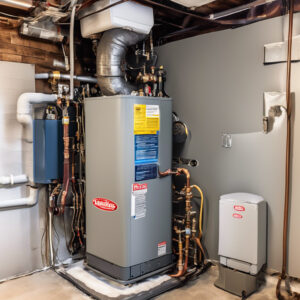
How to Start an HVAC Professional Business

business news for HVAC Professional

The HVAC (Heating, Ventilation, and Air Conditioning) industry is a thriving sector that offers stability and growth potential for entrepreneurs. With increasing demand for energy-efficient systems and the continuous need for climate control in residential, commercial, and industrial settings, starting an HVAC professional business can be a lucrative venture. However, entering this competitive market requires a well-thought-out plan, technical expertise, and strategic execution. This article provides a step-by-step guide on how to launch and grow a successful HVAC business.


HVAC Industry

HVAC systems are integral to modern living, ensuring comfort, safety, and air quality in various environments. From routine maintenance to emergency repairs and new installations, HVAC professionals provide essential services. The market’s growth is fueled by advancements in technology, sustainability initiatives, and increased awareness of indoor air quality.

Starting an HVAC business can be rewarding but demands significant preparation. Beyond technical skills, you need business acumen, a solid customer base, and compliance with industry regulations. Here’s how to turn your HVAC expertise into a successful enterprise.


Gain the Necessary Skills and Certifications

Before launching your HVAC business, ensure you have the proper technical training and certifications. Most HVAC professionals complete a combination of education, apprenticeship, and on-the-job training. Here’s what you need:

Education: Enroll in a technical or trade school that offers HVAC programs. Courses typically cover refrigeration, electrical systems, heating systems, and environmental safety.

Certification and Licensing: Obtain the required certifications such as EPA Section 608 Certification, which is mandatory for handling refrigerants. Research state and local licensing requirements, as they vary widely.

Continuing Education: Stay updated with the latest HVAC technologies and trends through workshops, online courses, and professional organizations.


Develop a Business Plan

A solid business plan is the foundation of any successful venture. It outlines your goals, strategies, and the resources needed to achieve them. Here’s what to include:

Executive Summary: Briefly describe your business, target market, and goals.

Market Research: Analyze your competitors and identify gaps in the market. Determine whether your focus will be residential, commercial, or industrial services.

Services Offered: List the services you will provide, such as installations, maintenance, repairs, and energy audits.

Financial Projections: Include startup costs, pricing strategies, revenue forecasts, and potential profitability.

Marketing Plan: Outline how you’ll attract and retain customers through advertising, promotions, and customer service.


Register Your Business

Once you have a clear business plan, it’s time to make your business official. Follow these steps to register your HVAC company:

Choose a Business Name: Select a name that is unique, memorable, and reflective of your services.

Select a Business Structure: Decide whether to operate as a sole proprietorship, partnership, LLC, or corporation. Consult a legal or financial advisor to choose the structure that best suits your needs.

Obtain Licenses and Permits: Apply for the necessary HVAC contractor licenses, business permits, and insurance. Common types of insurance include general liability, workers’ compensation, and vehicle insurance.

Tax Identification Number: Register for a Tax Identification Number (TIN) from the IRS and any required state-level tax registrations.


Secure Funding and Equipment

Starting an HVAC business requires significant investment in tools, equipment, and vehicles. Consider these funding options:

Personal Savings: Use personal savings if possible to minimize debt.

Small Business Loans: Apply for loans from banks or credit unions specializing in small businesses.

Grants: Explore government or private grants available for HVAC startups or energy-efficient initiatives.

Leasing Equipment: If purchasing outright isn’t feasible, consider leasing expensive equipment such as refrigerant recovery systems, diagnostic tools, and service vehicles.


Build a Skilled Team

An HVAC business’s success often depends on the expertise of its team. Hire qualified technicians who share your commitment to quality and customer service. Implement training programs to ensure consistent service standards and professional growth.

Additionally, establish a positive company culture that values safety, teamwork, and innovation. A motivated and skilled workforce will not only improve productivity but also enhance your company’s reputation.


Develop a Marketing Strategy

Attracting customers is critical for your HVAC business’s growth. Develop a comprehensive marketing plan that includes:

Online Presence: Create a professional website showcasing your services, expertise, and customer reviews. Optimize it for local SEO to appear in search results when potential clients look for HVAC services in your area.

Social Media: Use platforms like Facebook, Instagram, and LinkedIn to promote your business, share tips, and engage with customers.

Local Advertising: Advertise in local newspapers, radio, and community boards. Participate in home improvement expos or sponsor local events to increase visibility.

Referral Programs: Encourage satisfied customers to refer your services by offering discounts or incentives.


Focus on Customer Service

Exceptional customer service sets you apart from competitors and builds loyalty. Train your team to:

  • Communicate clearly and professionally with clients.
  • Respond promptly to inquiries and service calls.
  • Provide accurate estimates and timelines.
  • Follow up with customers after completing a job to ensure satisfaction.

Satisfied customers are more likely to leave positive reviews and recommend your services to others, contributing to long-term success.


Stay Compliant and Adapt

The HVAC industry is subject to various regulations, including safety standards, environmental laws, and labor laws. Stay compliant by:

  • Regularly renewing licenses and certifications.
  • Keeping up-to-date with changes in industry regulations.
  • Maintaining proper documentation for tax and audit purposes.

Additionally, adapt to industry trends such as smart HVAC systems, energy-efficient solutions, and eco-friendly refrigerants. Staying ahead of the curve can position your business as a leader in the field.


Conclusion

Starting an HVAC professional near me business requires a blend of technical expertise, business planning, and customer focus. By following these steps, you can build a strong foundation for your company and position yourself for growth in a competitive industry. Remember, success doesn’t happen overnight. Dedication, continuous learning, and a commitment to quality service will help you achieve your goals.

Whether you’re passionate about providing top-notch service or driven by the potential for financial independence, the HVAC industry offers opportunities to thrive. Begin your journey today and make a lasting impact on the comfort and well-being of your community.

How to Start an In-Ceiling Speakers Business: A Comprehensive Guide

business news for In Ceiling Speakers

Starting a business in the audio industry, particularly in-ceiling speakers, can be an exciting and lucrative venture. With the rise of home automation, smart homes, and high-quality audio solutions, in-ceiling speakers have become a popular choice for consumers seeking unobtrusive, high-performance sound systems. However, launching a business in this niche requires careful planning, an understanding of market trends, and a clear strategy.

This article will guide you through the steps needed to start your in-ceiling speakers business. From understanding the market to creating a solid business plan, sourcing quality products, and developing a marketing strategy, we’ll cover everything you need to know to set up a successful business in this competitive industry.


Understanding the Market

Before diving into the business, it’s essential to understand the market dynamics and consumer demand. Here are some key points to consider:

Market Trends:

The global audio equipment market is growing, with a significant segment dedicated to in-ceiling and in-wall speakers.

Smart home integrations have fueled demand for seamless and hidden audio solutions.

Customers prioritize aesthetics, sound quality, and compatibility with smart home systems.

Target Audience:

Homeowners upgrading their entertainment systems.

Commercial establishments like offices, restaurants, and retail stores.

Builders and contractors working on new constructions or renovations.

Competition:

Identify key players in the industry and analyze their product offerings, pricing, and marketing strategies.

Consider niche opportunities, such as offering eco-friendly or luxury in-ceiling speaker systems.


Developing a Business Plan

A well-thought-out business plan is the backbone of your venture. It helps you define your goals, strategies, and financial projections. Here are the essential components:

Executive Summary:

Briefly outline your business idea, target market, and goals.

Market Analysis:

Detail your market research, including consumer demographics, preferences, and trends.

Product Line:

Define the types of in-ceiling speakers you plan to offer, such as budget-friendly options, high-end models, or specialized systems for smart homes.

Operations Plan:

Outline your supply chain, inventory management, and logistics.

Consider whether you will manufacture your speakers or partner with established manufacturers.

Financial Plan:

Estimate startup costs, including inventory, marketing, and operational expenses.

Project your revenue and profitability for the first three years.


Sourcing Products and Equipment

Deciding how to source your products is a critical step. You have two main options: manufacturing your own speakers or partnering with established suppliers.

Manufacturing:

Pros: Complete control over design, branding, and quality.

Cons: High initial investment and technical expertise required.

Partnerships:

Pros: Faster entry to market and lower startup costs.

Cons: Limited control over product design and quality.

Research potential suppliers and evaluate their product quality, reliability, and pricing. Ensure that the products meet industry standards and consumer expectations.


Setting Up Your Business

Once you have a clear business plan and product sourcing strategy, it’s time to set up your operations.

Legal Structure:

Choose the appropriate legal structure, such as a sole proprietorship, partnership, LLC, or corporation.

Register your business name and obtain necessary licenses and permits.

Location and Infrastructure:

Decide whether to operate online, through a physical store, or both.

Secure a warehouse or storage space for inventory.

Branding:

Develop a unique brand identity, including a logo, tagline, and color scheme.

Create a professional website and optimize it for e-commerce.


Marketing and Sales Strategy

Effective marketing is crucial to attract customers and build your brand.

Online Marketing:

Invest in search engine optimization (SEO) to improve your website’s visibility.

Utilize social media platforms to showcase your products and engage with customers.

Run targeted ad campaigns on platforms like Google Ads and Facebook.

Partnerships and Collaborations:

Partner with interior designers, builders, and contractors who can recommend your products to their clients.

Collaborate with tech bloggers and influencers to review and promote your speakers.

Customer Service:

Offer exceptional customer support, including installation guides and troubleshooting assistance.

Provide warranties and flexible return policies to build trust.


Managing Finances

Sound financial management ensures the long-term success of your business. Key areas to focus on include:

Pricing Strategy:

Determine competitive pricing based on production costs, market demand, and competitor pricing.

Cost Control:

Monitor your expenses and find ways to reduce costs without compromising quality.

Funding:

Explore funding options, such as small business loans, grants, or investments from venture capitalists.

Financial Tracking:

Use accounting software to manage your finances and generate reports.


Scaling Your Business

Once your business gains traction, consider expanding your operations.

Product Diversification:

Introduce complementary products, such as amplifiers, smart home integration kits, or outdoor speakers.

Geographic Expansion:

Explore new markets, including international opportunities.

Franchise Model:

Consider franchising your business to accelerate growth.


Conclusion

Starting an in ceiling speakers business requires thorough planning, market understanding, and a commitment to quality. By following the steps outlined in this guide, you can establish a strong foundation for your venture and position yourself for success in the growing audio equipment market.

Remember, building a successful business takes time and effort. Stay adaptable, keep up with industry trends, and prioritize customer satisfaction. With persistence and strategic execution, your in-ceiling speakers business can thrive and become a leader in the industry.

How to Start a CPA Business: A Comprehensive Guide

business news for CPA

Starting your own Certified Public Accountant (CPA) business is an exciting venture that combines your expertise in accounting with the independence of entrepreneurship. Whether you are a seasoned professional seeking a change or a newly certified CPA ready to make your mark, launching your own business offers an opportunity to carve out a niche and build a legacy. This article will walk you through the essential steps to establish a successful CPA business, covering everything from planning to execution.

The accounting profession is foundational to business operations across industries. CPAs are trusted advisors who provide financial insights, ensure regulatory compliance, and guide strategic decision-making. With businesses and individuals increasingly seeking personalized financial services, the demand for CPAs remains robust. Establishing your own CPA firm allows you to leverage this demand, tailor your services, and grow professionally and financially.

Starting a CPA business, however, requires more than technical expertise. It involves business acumen, marketing savvy, and a clear understanding of legal and financial frameworks. This guide outlines the steps to help you transition from an idea to a thriving enterprise.

Evaluate Your Readiness

Assess Your Skills and Experience

Before diving in, take stock of your qualifications, professional experience, and niche expertise. As a CPA, you already possess significant accounting knowledge and practical skills. However, running a business also requires:

  • Leadership and decision-making abilities.
  • Knowledge of client management and relationship-building.
  • Familiarity with business operations, such as marketing, HR, and IT.

Identify Your Niche

Specializing in a niche can help your firm stand out in a competitive market. Common niches include:

  • Tax preparation and planning for individuals or businesses.
  • Auditing services.
  • Forensic accounting.
  • Financial consulting or advisory services.
  • Industry-specific accounting (e.g., healthcare, real estate, non-profits).

Develop a Business Plan

A solid business plan serves as the foundation of your CPA business. It not only clarifies your vision but also guides your decisions and attracts potential investors or lenders.

Key Elements of a Business Plan

Executive Summary: Outline your business objectives and mission statement.

Market Analysis: Research your target audience, competitors, and industry trends.

Services Offered: Detail the range of accounting services you plan to provide.

Operational Plan: Specify the structure of your business, location, and staffing needs.

  • Financial Projections: Include startup costs, revenue forecasts, and pricing models.
  • Marketing Strategy: Describe how you will attract and retain clients.

Fulfill Legal and Licensing Requirements

Obtain Necessary Certifications and Licenses

To operate legally, ensure you meet your state’s CPA licensing requirements. This typically includes:

  • Passing the Uniform CPA Exam.
  • Meeting educational and experience prerequisites.
  • Maintaining Continuing Professional Education (CPE) credits.

Register Your Business

  • Choose a Business Structure: Options include sole proprietorship, partnership, LLC, or corporation. Consult a legal advisor to select the best structure for tax and liability purposes.
  • Register with State Authorities: Obtain a business license and an Employer Identification Number (EIN) from the IRS.
  • Purchase Insurance: Consider professional liability insurance to protect against client disputes.

Set Up Your Office

Select a Location

Decide whether you’ll operate from a home office, a rented space, or a co-working facility. The location should be accessible to clients and conducive to a professional image.

Invest in Technology

Equip your office with the necessary tools to streamline operations:

  • Accounting software (e.g., QuickBooks, Xero).
  • Secure cloud storage solutions.
  • A reliable computer system and high-speed internet.
  • Communication tools such as VoIP phones and video conferencing platforms.

Create a Comfortable Work Environment

Ensure your workspace is well-organized, comfortable, and equipped with ergonomic furniture. A welcoming environment enhances productivity and creates a positive impression on clients.

Build Your Brand

Design a Professional Identity

Your brand is the face of your business. Develop a cohesive identity that reflects your values and professionalism:

  • Create a logo and choose a color scheme.
  • Build a user-friendly website highlighting your services, credentials, and client testimonials.
  • Design business cards and branded stationery.

Leverage Digital Marketing

An online presence is essential for attracting clients in today’s digital world:

Social Media: Use LinkedIn, Facebook, and Twitter to network and share insights.

Content Marketing: Publish blogs, whitepapers, or videos on financial topics to showcase your expertise.

Search Engine Optimization (SEO): Optimize your website to rank higher in search results.

Network Strategically

Attend industry events, join professional organizations, and build relationships with other professionals, such as attorneys and financial advisors, who can refer clients to your firm.

Develop a Client Acquisition Strategy

Offer Competitive Pricing

Research market rates and set competitive fees for your services. Consider offering introductory discounts or value-added packages to attract new clients.

Deliver Exceptional Service

Client satisfaction drives referrals and repeat business. Prioritize communication, timeliness, and accuracy in all your interactions.

Request Testimonials and Referrals

Encourage satisfied clients to leave reviews on your website or Google My Business page. Word-of-mouth referrals are a powerful tool for growing your client base.

Focus on Growth and Sustainability

Hire and Train Staff

As your client base expands, consider hiring employees or subcontractors. Invest in their training to ensure they uphold your standards of service.

Monitor Financial Health

Regularly review your business’s financial performance. Use accounting tools to track income, expenses, and profitability. Adjust your strategy as needed to achieve long-term growth.

Stay Updated

The accounting field evolves with new regulations, technologies, and trends. Commit to lifelong learning through CPE courses, seminars, and professional development opportunities.

Conclusion

Starting a C P A near me business is a rewarding endeavor that allows you to combine your passion for accounting with entrepreneurial ambitions. By carefully planning, adhering to legal requirements, and building strong client relationships, you can establish a successful practice that stands the test of time. Remember, the journey may be challenging, but the opportunity to shape your career and help others achieve financial success is well worth the effort.