

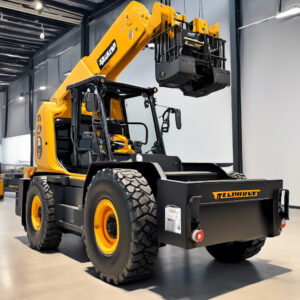
Starting a forklift telehandler business in Michigan can be a lucrative and rewarding endeavor, especially given the state’s robust construction, agriculture, and manufacturing industries. These industries rely heavily on material handling equipment such as forklifts and telehandlers for efficiency and safety. However, entering this market requires careful planning, understanding of the local landscape, and a solid business strategy. This article will guide you through the key steps to launch a successful forklift telehandler business in Michigan.
The Forklift Telehandler Business
Forklift telehandlers are versatile machines used for lifting, moving, and placing materials in various industries. Unlike standard forklifts, telehandlers have extendable booms that allow them to reach greater heights and distances, making them indispensable in construction and warehousing. Michigan, with its growing construction projects, agricultural operations, and industrial expansions, presents an ideal market for this business.
Before diving into the specifics, it’s essential to understand the two main facets of this business:
Sales and Rentals: Providing new and used telehandlers for purchase or short-term rentals.
Maintenance and Repairs: Offering servicing to ensure equipment remains in top condition.
Conduct Market Research
Assess Demand
Start by evaluating the demand for forklift telehandlers in Michigan. Identify key sectors such as:
Construction: Michigan’s infrastructure projects and commercial developments.
Agriculture: Farms requiring material handling for feed, equipment, and produce.
Warehousing and Logistics: Distribution centers needing equipment for inventory management.
Analyze Competition
Research competitors in your target region. Identify their strengths, weaknesses, pricing models, and customer reviews. This information will help you craft a unique value proposition.
Identify Customer Pain Points
Speak to potential clients to understand their challenges with existing suppliers. Are they seeking better service, more affordable rental options, or specific telehandler features? Use these insights to shape your offerings.
Develop a Business Plan
A well-structured business plan serves as a roadmap for your venture. Key components include:
Executive Summary
Provide a brief overview of your business, including your mission, vision, and goals.
Market Analysis
Detail your research findings, highlighting market opportunities and target demographics.
Business Model
Specify whether you’ll focus on sales, rentals, or both. Consider offering complementary services like maintenance and operator training.
Financial Projections
Include startup costs, revenue forecasts, and a break-even analysis. Account for equipment purchases, insurance, marketing, and operational expenses.
Marketing Strategy
Outline your approach to attracting and retaining customers. Use a mix of digital marketing, local advertising, and networking.
Legal and Regulatory Considerations
Identify the licenses, permits, and certifications required to operate in Michigan. This includes:
Business registration with the Michigan Department of Licensing and Regulatory Affairs (LARA).
Compliance with Michigan Occupational Safety and Health Administration (MIOSHA) standards.
Equipment-specific certifications for operators and service personnel.
Secure Financing
Launching a forklift telehandler business requires significant upfront investment. Explore the following financing options:
Small Business Loans: Approach local banks or credit unions familiar with Michigan’s industrial landscape.
Equipment Financing: Many manufacturers and third-party lenders offer financing plans for telehandlers.
Grants and Incentives: Investigate state and federal programs supporting small businesses in Michigan.
Investors: Partner with individuals or firms interested in the material handling sector.
Source Equipment
Choose Reliable Suppliers
Partner with reputable telehandler manufacturers and dealers. Brands like JCB, Caterpillar, and Genie are well-known for quality and durability.
Decide on Inventory
Determine the number and type of telehandlers to purchase. Consider:
- Weight capacity and lift height.
- Versatility for different applications.
- Customer preferences and industry standards.
Plan for Maintenance
Establish a maintenance schedule to keep your fleet in excellent condition. Hire experienced mechanics or partner with service providers.
Set Up Your Operations
Choose a Location
Select a strategic location for your business. Look for properties with:
- Easy access to highways for transportation.
- Adequate space for storing and showcasing equipment.
- Room for a repair workshop.
Build a Team
Recruit skilled professionals, including:
- Sales and customer service representatives.
- Technicians for repairs and maintenance.
- Delivery and logistics personnel.
Develop an Online Presence
Create a professional website featuring your inventory, services, and contact information. Optimize it for local search engine optimization (SEO) to attract Michigan-based customers. Leverage social media platforms to showcase your offerings and engage with potential clients.
Marketing and Outreach
Network with Local Businesses
Collaborate with construction companies, agricultural cooperatives, and warehousing firms. Attend industry events, trade shows, and expos to build relationships and showcase your services.
Offer Promotions
Attract initial customers by offering discounts, loyalty programs, or free maintenance for the first rental period.
Advertise Locally
Use targeted advertising in Michigan’s trade publications, local newspapers, and online directories. Google Ads and Facebook Ads can help you reach your audience effectively.
Ensure Compliance and Safety
Adhering to safety and regulatory standards is critical. Provide operator training and certification programs to your clients. Maintain detailed records of equipment inspections and repairs to ensure compliance with MIOSHA regulations.
Conclusion
Starting a forklift telehandler Michigan business requires careful planning, significant investment, and a commitment to quality and safety. By conducting thorough market research, crafting a detailed business plan, and establishing strong operational and marketing strategies, you can build a successful venture that meets the material handling needs of Michigan’s industries. With the state’s ongoing growth and industrial demand, your business has the potential to thrive and make a meaningful impact in the local economy.