


How to Start a Ready Mix Business in Midland, Texas

business news for ready mix

The demand for concrete in Midland, Texas, has seen a consistent rise, driven by the booming construction sector, the oil industry, and infrastructure projects. With rapid urbanization and a growing population, the need for high-quality concrete solutions has never been greater. One promising venture that can capitalize on this demand is a Ready Mix concrete business.

Ready Mix concrete offers a convenient, efficient solution for construction projects of all sizes. Instead of mixing concrete on-site, contractors can order pre-mixed concrete that meets specific requirements and is ready to be poured upon delivery. This business model saves time, reduces labor costs, and ensures consistent quality, making it a lucrative opportunity in the fast-growing city of Midland.

If you’re considering starting a Ready Mix business in Midland, Texas, this comprehensive guide will help you understand what it takes to get started, the potential challenges you may face, and strategies to build a successful enterprise.

Understanding the Ready Mix Business

Before diving into the logistics, it’s crucial to understand what the Ready Mix business entails. Ready Mix concrete is a specialized form of concrete that is manufactured in a batching plant according to precise specifications. It is then transported to construction sites using specialized trucks called transit mixers. This method ensures that the concrete is of consistent quality and is delivered fresh and ready for use.

Why Choose Midland, Texas for Your Ready Mix Business?

Midland, located in the heart of West Texas, is part of the Permian Basin, known for its oil-rich fields and robust industrial growth. Here are some compelling reasons to start your Ready Mix business in Midland:

Booming Construction Industry: With numerous commercial, residential, and infrastructure projects underway, the demand for concrete is steadily increasing.

Strong Economic Growth: The region’s economy is driven by the oil and gas industry, leading to significant investment in infrastructure and real estate.

Strategic Location: Midland’s central location within Texas provides easy access to key construction markets in Odessa, Lubbock, and beyond.

Conduct Market Research

Before launching your Ready Mix business, it’s essential to conduct thorough market research. Understanding the local market dynamics will help you tailor your services to meet the needs of contractors, developers, and individual customers.

Analyze the Demand

Assess the demand for Ready Mix concrete in the region. Key factors to consider include:

Local Construction Projects: Identify ongoing and upcoming projects in the area. Large commercial developments, highway expansions, and new residential neighborhoods are prime opportunities.

Seasonal Demand: In Texas, construction activities can be influenced by weather conditions. Peak demand typically occurs during spring and summer.

Target Customers: Your main customers will likely include general contractors, builders, and project managers. Establish relationships with these key players early on.

Study the Competition

Identify existing Ready Mix providers in Midland and analyze their strengths, weaknesses, and market share. Understanding your competition will help you find ways to differentiate your business. Consider offering unique services, such as custom mix designs, 24/7 delivery, or sustainable concrete solutions.

Develop a Business Plan

A well-crafted business plan is essential for the success of your Ready Mix venture. It will serve as a roadmap for your business and is crucial when seeking financing or investors.

Key Components of a Ready Mix Business Plan

Executive Summary: Provide an overview of your business, including your mission, vision, and objectives.

Market Analysis: Summarize your market research findings, including the demand for Ready Mix concrete, target customers, and competitors.

Business Model: Describe how your Ready Mix business will operate, including sourcing raw materials, production processes, and delivery logistics.

Marketing Strategy: Outline how you plan to promote your services and attract customers.

Financial Projections: Include projected income statements, cash flow analysis, and break-even points.

 Secure Financing

Starting a Ready Mix business requires significant investment. You’ll need funds for purchasing equipment, leasing or buying a location, hiring staff, and covering operational expenses.

Funding Options

Bank Loans: Approach local banks or credit unions for business loans. Ensure your business plan highlights the strong demand and profitability potential in the Midland area.

Investors: Consider partnering with investors who have experience in the construction or concrete industry.

Personal Savings: If you have sufficient capital, self-funding can give you greater control over the business.

Cost Breakdown

Here are some of the major expenses you should anticipate:

Equipment: Concrete batching plants, transit mixers, loaders, and concrete pumps.

Real Estate: Leasing or purchasing a location for your plant.

Raw Materials: Cement, aggregates (sand and gravel), and water.

Labor: Hiring skilled operators, drivers, and administrative staff.

Permits and Licenses: Acquiring the necessary local and state permits for operating a Ready Mix business.

Choose the Right Location

Selecting the right location for your Ready Mix plant is crucial. Consider the following factors when choosing a site in Midland:

Proximity to Raw Materials: Being close to suppliers of cement and aggregates will reduce transportation costs.

Access to Construction Sites: A central location within Midland or near major highways will ensure timely deliveries.

Zoning and Permits: Ensure the site complies with local zoning regulations and obtain the necessary environmental permits.

Purchase Equipment

Investing in high-quality equipment is critical for producing consistent and reliable Ready Mix concrete. Here are the key pieces of equipment you will need:

Batching Plant: The heart of your Ready Mix operation. Choose a plant with a reliable control system for accurate mix designs.

Transit Mixers: Specialized trucks designed to transport concrete while mixing it to maintain its consistency.

Concrete Pumps: For efficient delivery of concrete to hard-to-reach areas on construction sites.

Loaders and Conveyors: For handling raw materials like sand, gravel, and cement.

Obtain Permits and Licenses

Operating a Ready Mix business requires several permits and licenses. In Midland, you will need:

Business License: Register your business with the state of Texas.

Environmental Permits: Compliance with air quality and water discharge regulations is mandatory.

Zoning Approval: Verify that your chosen location is zoned for industrial use.

Vehicle Permits: Register your transit mixers and concrete pumps with the Texas Department of Motor Vehicles.

Hire Skilled Staff

Your Ready Mix business will rely on a team of skilled and experienced personnel. Key roles include:

Batching Plant Operators: Responsible for mixing concrete according to specifications.

Truck Drivers: CDL-certified drivers with experience in transporting Ready Mix concrete.

Sales Representatives: To market your services and secure contracts with local contractors.

Quality Control Technicians: To ensure the consistency and quality of your concrete mixes.

Implement a Marketing Strategy

To grow your Ready Mix business, you need a strong marketing plan that targets your ideal customers. Consider the following strategies:

Online Presence: Create a professional website showcasing your services, pricing, and contact information.

Networking: Build relationships with contractors, project managers, and real estate developers in Midland.

Local Advertising: Invest in local SEO, Google Ads, and social media marketing to reach potential customers in the area.

Conclusion

Starting a Ready Mix Midland Texas business, presents a lucrative opportunity given the region’s robust construction industry and economic growth. However, success requires careful planning, substantial investment, and a commitment to quality service. By conducting thorough market research, securing adequate funding, and building a strong team, you can establish a successful Ready Mix operation that meets the growing demand in Midland and the surrounding areas.

With the right approach, your Ready Mix business can become a vital part of Midland’s construction landscape, helping to build the city’s future while generating substantial profits.

How to Start a Chemical Manufacturing Business in Waller, TX

business news for Chemical Manufacturing

Starting a chemical manufacturing business can be a highly lucrative and impactful endeavor, especially in a strategically advantageous location like Waller, Texas. Known for its pro-business environment, Waller offers a combination of supportive local governance, proximity to major industrial hubs, and access to skilled labor. However, the chemical manufacturing industry requires meticulous planning, regulatory compliance, and a strong understanding of operational logistics. This article will guide you through the critical steps necessary to establish a successful chemical manufacturing business in Waller, TX.

Why Choose Waller, TX?

Waller is a growing community situated within the Houston metropolitan area, providing easy access to major transportation routes, including Interstate 10 and U.S. Highway 290. Its proximity to the Port of Houston—one of the largest shipping ports in the U.S.—makes it an excellent choice for businesses involved in the production and distribution of chemicals. Additionally, Texas is home to a thriving petrochemical industry, offering abundant opportunities for partnerships, raw material procurement, and market access.

Texas also boasts a favorable tax climate, low regulatory barriers compared to other states, and a well-established industrial infrastructure. With these factors in mind, Waller serves as an ideal location to set up a chemical manufacturing business.


Conduct Market Research and Develop a Business Plan

Before embarking on your journey, it is critical to conduct thorough market research. This includes identifying the type of chemicals you intend to produce—whether specialty chemicals, industrial chemicals, or consumer-focused products. Consider:

Target Market: Who will buy your products? This could include industries like agriculture, healthcare, construction, or automotive manufacturing.

Competitor Analysis: Research existing chemical manufacturers in Waller and the surrounding areas. What do they offer? Are there gaps in the market?

Regulatory Considerations: Ensure your planned operations comply with federal, state, and local environmental regulations.

A comprehensive business plan will serve as a roadmap for your operations. It should include:

  • Executive summary
  • Market analysis
  • Operational strategy
  • Financial projections
  • Marketing and sales strategies

Understand Legal and Regulatory Requirements

The chemical manufacturing industry is heavily regulated. Adhering to these regulations is non-negotiable and essential for ensuring worker safety, environmental protection, and legal compliance.

Licenses and Permits: Apply for necessary permits from agencies like the Environmental Protection Agency (EPA) and the Texas Commission on Environmental Quality (TCEQ).

    • Air and water quality permits
    • Hazardous waste disposal permits
    • Fire safety and zoning clearances

OSHA Compliance: Familiarize yourself with Occupational Safety and Health Administration (OSHA) standards for chemical plants, including proper handling, storage, and labeling of hazardous substances.

Local Zoning Laws: Verify that your chosen location in Waller complies with zoning laws for industrial operations.


Secure Financing

Starting a chemical manufacturing business requires substantial capital investment. Costs may include land acquisition, facility construction, equipment purchase, and initial raw materials. Consider multiple financing options:

Small Business Loans: Reach out to local banks or credit unions for loans tailored to industrial startups.

Investors: Seek private investors or venture capital firms that specialize in manufacturing.

Grants and Incentives: Texas offers various business incentives, such as tax abatements and workforce training grants. Investigate options available through the Waller Economic Development Corporation.


Choose a Strategic Location

Selecting the right site for your facility is crucial. Look for industrial-zoned properties in Waller that offer:

  • Proximity to major transportation routes
  • Accessibility to suppliers and customers
  • Adequate utilities, including water, electricity, and gas

Working with local real estate agents and the Waller Economic Development Corporation can help you identify suitable locations. Additionally, ensure your chosen site meets environmental and zoning regulations.


Build Your Facility and Procure Equipment

Designing and constructing your manufacturing plant requires careful planning. Work with architects and contractors who have experience in chemical plant construction to ensure your facility meets all safety and regulatory standards. Key considerations include:

Production Capacity: Design a facility that can scale as demand grows.

Safety Measures: Install fire suppression systems, proper ventilation, and spill containment mechanisms.

Energy Efficiency: Invest in energy-efficient equipment to reduce operational costs over time.

Common equipment in chemical manufacturing includes:

  • Reactors
  • Heat exchangers
  • Distillation columns
  • Storage tanks
  • Packaging machinery

Hire and Train Employees

Your workforce is a critical component of your business’s success. Waller’s proximity to Houston provides access to a pool of skilled workers with experience in manufacturing and industrial operations. When hiring, prioritize:

Chemical Engineers: To oversee production processes and ensure quality control.

Safety Officers: To maintain compliance with OSHA and other safety regulations.

Skilled Technicians: To operate and maintain equipment.

Invest in comprehensive training programs to familiarize employees with operational protocols, safety procedures, and environmental compliance standards.


Establish Supply Chain and Distribution Channels

To run a successful chemical manufacturing business, a robust supply chain and distribution network are essential. Build relationships with reliable suppliers for raw materials and transportation partners for product distribution. Consider:

Local Suppliers: Reducing transportation costs by sourcing raw materials locally whenever possible.

Third-Party Logistics (3PL): Partnering with logistics companies for efficient warehousing and delivery.

Export Opportunities: Utilizing the Port of Houston for international distribution.


Develop a Marketing and Sales Strategy

Your marketing strategy should highlight the unique value of your products, whether it’s superior quality, cost-effectiveness, or eco-friendliness. Key marketing tactics include:

Digital Marketing: Use online platforms like LinkedIn and industry-specific forums to connect with potential clients.

Trade Shows and Conferences: Attend industry events to showcase your products and network with potential buyers.

Direct Sales: Employ a dedicated sales team to build relationships with key customers.


Focus on Sustainability

Sustainability is increasingly becoming a priority for customers and regulators alike. Consider adopting green manufacturing practices, such as:

  • Reducing waste and emissions
  • Recycling raw materials
  • Using renewable energy sources

Promoting your business’s commitment to sustainability can also serve as a competitive advantage.


Conclusion

Starting a chemical manufacturing Waller TX business, is a multifaceted process that requires strategic planning, compliance with stringent regulations, and a focus on quality and sustainability. By leveraging Waller’s business-friendly environment, access to industrial resources, and proximity to key markets, you can establish a thriving operation in this growing region. With the right approach, your business has the potential to contribute to the local economy while achieving long-term success in the dynamic chemical manufacturing industry.

How to Start a Forklift Telehandler Business in Michigan

business news for Forklift Telehandler

Starting a forklift telehandler business in Michigan can be a lucrative and rewarding endeavor, especially given the state’s robust construction, agriculture, and manufacturing industries. These industries rely heavily on material handling equipment such as forklifts and telehandlers for efficiency and safety. However, entering this market requires careful planning, understanding of the local landscape, and a solid business strategy. This article will guide you through the key steps to launch a successful forklift telehandler business in Michigan.

The Forklift Telehandler Business

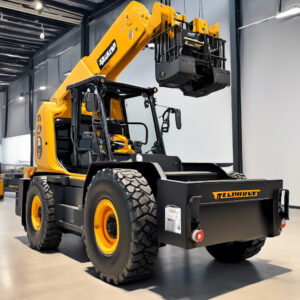
Forklift telehandlers are versatile machines used for lifting, moving, and placing materials in various industries. Unlike standard forklifts, telehandlers have extendable booms that allow them to reach greater heights and distances, making them indispensable in construction and warehousing. Michigan, with its growing construction projects, agricultural operations, and industrial expansions, presents an ideal market for this business.

Before diving into the specifics, it’s essential to understand the two main facets of this business:

Sales and Rentals: Providing new and used telehandlers for purchase or short-term rentals.

Maintenance and Repairs: Offering servicing to ensure equipment remains in top condition.

Conduct Market Research

Assess Demand

Start by evaluating the demand for forklift telehandlers in Michigan. Identify key sectors such as:

Construction: Michigan’s infrastructure projects and commercial developments.

Agriculture: Farms requiring material handling for feed, equipment, and produce.

Warehousing and Logistics: Distribution centers needing equipment for inventory management.

Analyze Competition

Research competitors in your target region. Identify their strengths, weaknesses, pricing models, and customer reviews. This information will help you craft a unique value proposition.

Identify Customer Pain Points

Speak to potential clients to understand their challenges with existing suppliers. Are they seeking better service, more affordable rental options, or specific telehandler features? Use these insights to shape your offerings.

 Develop a Business Plan

A well-structured business plan serves as a roadmap for your venture. Key components include:

Executive Summary

Provide a brief overview of your business, including your mission, vision, and goals.

Market Analysis

Detail your research findings, highlighting market opportunities and target demographics.

Business Model

Specify whether you’ll focus on sales, rentals, or both. Consider offering complementary services like maintenance and operator training.

Financial Projections

Include startup costs, revenue forecasts, and a break-even analysis. Account for equipment purchases, insurance, marketing, and operational expenses.

Marketing Strategy

Outline your approach to attracting and retaining customers. Use a mix of digital marketing, local advertising, and networking.

Legal and Regulatory Considerations

Identify the licenses, permits, and certifications required to operate in Michigan. This includes:

Business registration with the Michigan Department of Licensing and Regulatory Affairs (LARA).

Compliance with Michigan Occupational Safety and Health Administration (MIOSHA) standards.

Equipment-specific certifications for operators and service personnel.

Secure Financing

Launching a forklift telehandler business requires significant upfront investment. Explore the following financing options:

Small Business Loans: Approach local banks or credit unions familiar with Michigan’s industrial landscape.

Equipment Financing: Many manufacturers and third-party lenders offer financing plans for telehandlers.

Grants and Incentives: Investigate state and federal programs supporting small businesses in Michigan.

Investors: Partner with individuals or firms interested in the material handling sector.

Source Equipment

Choose Reliable Suppliers

Partner with reputable telehandler manufacturers and dealers. Brands like JCB, Caterpillar, and Genie are well-known for quality and durability.

Decide on Inventory

Determine the number and type of telehandlers to purchase. Consider:

  • Weight capacity and lift height.
  • Versatility for different applications.
  • Customer preferences and industry standards.

Plan for Maintenance

Establish a maintenance schedule to keep your fleet in excellent condition. Hire experienced mechanics or partner with service providers.

Set Up Your Operations

Choose a Location

Select a strategic location for your business. Look for properties with:

  • Easy access to highways for transportation.
  • Adequate space for storing and showcasing equipment.
  • Room for a repair workshop.

Build a Team

Recruit skilled professionals, including:

  • Sales and customer service representatives.
  • Technicians for repairs and maintenance.
  • Delivery and logistics personnel.

Develop an Online Presence

Create a professional website featuring your inventory, services, and contact information. Optimize it for local search engine optimization (SEO) to attract Michigan-based customers. Leverage social media platforms to showcase your offerings and engage with potential clients.

Marketing and Outreach

Network with Local Businesses

Collaborate with construction companies, agricultural cooperatives, and warehousing firms. Attend industry events, trade shows, and expos to build relationships and showcase your services.

Offer Promotions

Attract initial customers by offering discounts, loyalty programs, or free maintenance for the first rental period.

Advertise Locally

Use targeted advertising in Michigan’s trade publications, local newspapers, and online directories. Google Ads and Facebook Ads can help you reach your audience effectively.

Ensure Compliance and Safety

Adhering to safety and regulatory standards is critical. Provide operator training and certification programs to your clients. Maintain detailed records of equipment inspections and repairs to ensure compliance with MIOSHA regulations.

Conclusion

Starting a forklift telehandler Michigan business requires careful planning, significant investment, and a commitment to quality and safety. By conducting thorough market research, crafting a detailed business plan, and establishing strong operational and marketing strategies, you can build a successful venture that meets the material handling needs of Michigan’s industries. With the state’s ongoing growth and industrial demand, your business has the potential to thrive and make a meaningful impact in the local economy.