


How to Start an Immediate Care Business in Jacksonville

business news for Immediate Care Jacksonville

Starting an immediate care business in Jacksonville, Florida, can be both a rewarding and lucrative endeavor. With a growing population, an increasing demand for convenient healthcare services, and a favorable business environment, Jacksonville offers immense opportunities for entrepreneurs in the healthcare sector. Immediate care centers, also known as urgent care clinics, bridge the gap between primary care physicians and emergency rooms by providing accessible, non-emergency healthcare services. These facilities cater to patients with minor injuries, illnesses, or medical needs that require prompt attention without the high costs and long wait times associated with hospital emergency departments.

However, launching an immediate care business requires careful planning, thorough research, and adherence to legal and regulatory requirements. In this article, we will walk you through the essential steps to start an immediate care business in Jacksonville, from initial planning to opening your doors to patients.

Conduct Market Research

Before diving into the healthcare industry, conduct comprehensive market research to assess the demand for immediate care services in Jacksonville. Consider the following aspects:

Demographics and Population Trends

Jacksonville is the largest city in Florida by area and boasts a population of over 950,000 residents. The city’s diverse demographics, growing senior population, and increasing number of families create a robust demand for healthcare services.

Competition Analysis

Identify existing urgent care centers, clinics, and primary care providers in Jacksonville. Analyze their locations, services, patient reviews, and pricing models. This research will help you identify gaps in the market and determine how your immediate care business can stand out.

Healthcare Needs

Understand the common healthcare needs in the area. For example, seasonal illnesses, sports injuries, and chronic disease management may be prevalent in Jacksonville’s community.

Develop a Business Plan

A well-structured business plan serves as the foundation for your immediate care business. It outlines your goals, strategies, and financial projections. Key components of your business plan should include:

Executive Summary

Provide an overview of your business, including your mission, vision, and the services you plan to offer.

Market Analysis

Summarize your market research findings, highlighting the demand for immediate care services in Jacksonville.

Services Offered

Detail the range of services your clinic will provide, such as:

  • Treatment of minor injuries and illnesses
  • Diagnostic services (e.g., X-rays and lab tests)
  • Vaccinations and immunizations
  • Occupational health services
  • Telemedicine options

Operational Plan

Outline your clinic’s operational structure, including:

  • Hours of operation
  • Staffing requirements
  • Equipment and technology needs
  • Workflow processes

Financial Plan

Include startup costs, projected revenue, and expenses. Account for costs such as:

  • Leasing or purchasing a facility
  • Medical equipment and supplies
  • Staff salaries
  • Marketing and advertising
  • Licensing and insurance

Secure Funding

Starting an immediate care business requires significant financial investment. Explore funding options such as:

  • Personal savings
  • Business loans
  • Partnerships or investors
  • Small Business Administration (SBA) programs

Prepare a detailed financial plan to present to potential lenders or investors, showcasing the profitability and sustainability of your business.

Choose a Suitable Location

The location of your immediate care center is critical to its success. Consider the following factors when selecting a site in Jacksonville:

  • Proximity to residential areas and high-traffic zones
  • Accessibility and parking availability
  • Visibility and signage opportunities
  • Competitor presence in the vicinity

Additionally, ensure that the chosen location complies with zoning laws and regulations for healthcare facilities.

Obtain Licenses and Permits

Compliance with legal and regulatory requirements is essential for operating an immediate care business. In Florida, you will need to:

  • Register your business with the Florida Division of Corporations.
  • Obtain a Tax Identification Number (TIN) from the IRS.
  • Apply for a healthcare clinic license from the Florida Agency for Health Care Administration (AHCA).
  • Secure any necessary local permits, such as zoning and building permits.

Consult a legal professional or healthcare compliance expert to ensure you meet all requirements.

Hire Qualified Staff

Staffing is a crucial aspect of running an immediate care center. Hire qualified and licensed healthcare professionals, such as:

  • Physicians
  • Nurse practitioners
  • Physician assistants
  • Medical assistants
  • Administrative staff

Provide comprehensive training to ensure your team delivers high-quality patient care and excellent customer service.

Invest in Technology and Equipment

Equip your immediate care center with state-of-the-art medical equipment and technology to provide efficient and accurate services. Essential items include:

  • Examination tables and diagnostic tools
  • Imaging equipment (e.g., X-ray machines)
  • Laboratory testing supplies
  • Electronic Health Records (EHR) software

Additionally, implement a robust billing and scheduling system to streamline operations.

Develop a Marketing Strategy

Promoting your immediate care business effectively is key to attracting patients. Create a comprehensive marketing strategy that includes:

Online Presence: Build a professional website with detailed information about your services, operating hours, and contact details. Optimize your site for search engines (SEO) to improve visibility.

Social Media Marketing: Utilize platforms like Facebook, Instagram, and Twitter to engage with the community and share health tips.

Local Advertising: Distribute flyers, place ads in local newspapers, and partner with community organizations to increase awareness.

Patient Reviews: Encourage satisfied patients to leave positive reviews on platforms like Google and Yelp.

Ensure Quality and Compliance

Maintaining high standards of care and adhering to regulations are essential for the success of your immediate care business. Implement quality assurance measures, such as:

  • Regular staff training
  • Patient feedback surveys
  • Compliance audits

Stay updated on healthcare laws and best practices to ensure your clinic operates smoothly and legally.

Open Your Doors

After completing all the necessary preparations, it’s time to open your immediate care center. Host a grand opening event to introduce your business to the community. Offer free health screenings, giveaways, or promotional discounts to attract your first patients.

Conclusion

Starting an immediate care Jacksonville business is a challenging but rewarding venture. By conducting thorough market research, developing a solid business plan, and adhering to legal requirements, you can create a successful healthcare facility that meets the community’s needs. With dedication, strategic planning, and a commitment to quality care, your immediate care business can thrive in Jacksonville’s competitive healthcare market.

How to Start a Baltimore Lab Pack Business: A Comprehensive Guide

business news for Baltimore Lab Pack

Starting a lab pack business in Baltimore, or anywhere else, requires a blend of industry expertise, meticulous planning, and adherence to strict regulatory standards. Lab pack businesses specialize in the collection, categorization, packaging, and transportation of hazardous waste generated by laboratories, schools, hospitals, and industrial facilities. Given Baltimore’s diverse economic landscape, which includes healthcare, biotechnology, education, and manufacturing, there is a growing demand for efficient and compliant lab pack services.

If you’re considering entering this niche but essential industry, this guide will walk you through the steps to establish and grow your Baltimore-based lab pack business.


The Lab Pack Industry

The lab pack industry provides vital services that ensure the safe handling and disposal of hazardous materials. Improper management of these substances can result in environmental contamination, public health risks, and hefty legal penalties. Lab pack companies mitigate these risks by consolidating and disposing of chemical waste according to state and federal regulations.

In Baltimore, the presence of institutions like Johns Hopkins University, University of Maryland, and numerous biotech firms creates a high demand for these services. Additionally, Maryland’s strict environmental laws and proximity to major transportation hubs make Baltimore an ideal location to start a lab pack business.


Understand the Industry and Regulations

Research Hazardous Waste Categories

Hazardous waste comes in various forms, including flammable, corrosive, reactive, and toxic materials. Understanding these categories and how they’re regulated is critical. Familiarize yourself with federal standards set by the Resource Conservation and Recovery Act (RCRA) and guidelines from the Environmental Protection Agency (EPA).

State and Local Regulations

Maryland has additional hazardous waste management rules administered by the Maryland Department of the Environment (MDE). Be sure to:

  • Review state-specific storage and transportation requirements.
  • Understand reporting and recordkeeping obligations.
  • Obtain any required permits and certifications for operating a hazardous waste business.

Training Requirements

Employees in the lab pack industry must undergo rigorous training under the Occupational Safety and Health Administration’s (OSHA) Hazardous Waste Operations and Emergency Response (HAZWOPER) standards. Ensure your team is trained to handle hazardous materials safely and effectively.


Create a Business Plan

Define Your Services

Lab pack businesses often provide a range of services, including:

  • Inventory and categorization of chemical waste.
  • Packaging and labeling hazardous materials.
  • Transportation to treatment, storage, and disposal facilities (TSDFs).
  • Spill response and emergency cleanup services.

Determine which services you’ll offer and tailor your business plan accordingly.

Market Analysis

Study the local market to identify your target customers. Potential clients in Baltimore include:

  • Universities and research institutions.
  • Medical facilities and laboratories.
  • Manufacturing plants.
  • Schools and educational labs.

Assess your competitors to understand their pricing, service offerings, and market share.

Financial Projections

Calculate your startup costs, which may include:

  • Permits and licenses.
  • Equipment such as drums, containers, and safety gear.
  • Vehicles for waste transportation.
  • Employee training and certifications.

Estimate your revenue based on expected client contracts and average service costs.


Register and Structure Your Business

Choose a Legal Structure

Select a legal entity for your business, such as:

  • Sole proprietorship
  • Limited Liability Company (LLC)
  • Corporation

An LLC is often a popular choice for small to medium-sized lab pack businesses because it offers liability protection while remaining relatively simple to manage.

Register Your Business

Secure Licenses and Permits

Lab pack businesses require specific permits to operate legally. In Baltimore, you may need:

  • A hazardous waste transporter license.
  • DOT (Department of Transportation) registration for hazardous material transport.
  • Local business licenses.

Invest in Equipment and Resources

Essential Equipment

Acquire the tools and supplies needed for your operations, such as:

  • Spill containment kits.
  • DOT-approved transportation containers.
  • Personal protective equipment (PPE).
  • Labeling and documentation tools.

Transportation

Purchase or lease vehicles equipped for hazardous waste transport. Ensure they meet all federal and state safety standards.

Technology

Implement software solutions to manage waste tracking, compliance reporting, and customer communications efficiently.


Build a Skilled Team

Hiring qualified employees is crucial for success. Look for candidates with experience in:

  • Hazardous material handling.
  • Chemical inventory management.
  • Regulatory compliance.

Offer competitive salaries and invest in continuous training programs to keep your team up-to-date with industry standards.


Develop a Marketing Strategy

Build Relationships

Networking is key in the lab pack business. Join local business associations and environmental organizations in Baltimore. Attend industry conferences and trade shows to connect with potential clients.

Online Presence

Create a professional website highlighting your services, certifications, and commitment to safety and compliance. Optimize your site for search engines (SEO) to attract local clients.

Targeted Outreach

Reach out directly to laboratories, schools, and medical facilities with tailored proposals. Highlight your expertise and commitment to environmentally responsible waste management.


Ensure Compliance and Quality Control

Maintain Accurate Records

Document all waste management activities, including:

  • Waste inventory.
  • Transport manifests.
  • Disposal certificates.

Accurate records not only ensure compliance but also build trust with clients.

Conduct Regular Audits

Perform internal audits to identify and address any compliance gaps. Regularly review your operations to ensure they align with regulatory standards and industry best practices.

Invest in Insurance

Protect your business with comprehensive insurance coverage, including:

  • General liability insurance.
  • Environmental liability insurance.
  • Worker’s compensation.

Conclusion

Starting a Baltimore lab pack business is both a challenging and rewarding endeavor. The city’s thriving industries and institutions create a steady demand for hazardous waste management services, offering significant growth potential for new businesses. By thoroughly understanding the industry, adhering to regulations, and delivering exceptional service, you can establish a successful and sustainable lab pack business.

While the initial investment in equipment, training, and compliance may be substantial, the long-term benefits—both financial and environmental—make it a worthwhile venture. With careful planning and a commitment to safety and professionalism, your Baltimore lab pack business can become a trusted partner in promoting a cleaner and safer community.

How to Start an HVAC Professional Business

business news for HVAC Professional

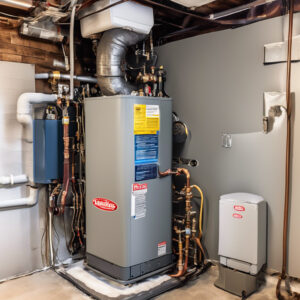
The HVAC (Heating, Ventilation, and Air Conditioning) industry is a thriving sector that offers stability and growth potential for entrepreneurs. With increasing demand for energy-efficient systems and the continuous need for climate control in residential, commercial, and industrial settings, starting an HVAC professional business can be a lucrative venture. However, entering this competitive market requires a well-thought-out plan, technical expertise, and strategic execution. This article provides a step-by-step guide on how to launch and grow a successful HVAC business.


HVAC Industry

HVAC systems are integral to modern living, ensuring comfort, safety, and air quality in various environments. From routine maintenance to emergency repairs and new installations, HVAC professionals provide essential services. The market’s growth is fueled by advancements in technology, sustainability initiatives, and increased awareness of indoor air quality.

Starting an HVAC business can be rewarding but demands significant preparation. Beyond technical skills, you need business acumen, a solid customer base, and compliance with industry regulations. Here’s how to turn your HVAC expertise into a successful enterprise.


Gain the Necessary Skills and Certifications

Before launching your HVAC business, ensure you have the proper technical training and certifications. Most HVAC professionals complete a combination of education, apprenticeship, and on-the-job training. Here’s what you need:

Education: Enroll in a technical or trade school that offers HVAC programs. Courses typically cover refrigeration, electrical systems, heating systems, and environmental safety.

Certification and Licensing: Obtain the required certifications such as EPA Section 608 Certification, which is mandatory for handling refrigerants. Research state and local licensing requirements, as they vary widely.

Continuing Education: Stay updated with the latest HVAC technologies and trends through workshops, online courses, and professional organizations.


Develop a Business Plan

A solid business plan is the foundation of any successful venture. It outlines your goals, strategies, and the resources needed to achieve them. Here’s what to include:

Executive Summary: Briefly describe your business, target market, and goals.

Market Research: Analyze your competitors and identify gaps in the market. Determine whether your focus will be residential, commercial, or industrial services.

Services Offered: List the services you will provide, such as installations, maintenance, repairs, and energy audits.

Financial Projections: Include startup costs, pricing strategies, revenue forecasts, and potential profitability.

Marketing Plan: Outline how you’ll attract and retain customers through advertising, promotions, and customer service.


Register Your Business

Once you have a clear business plan, it’s time to make your business official. Follow these steps to register your HVAC company:

Choose a Business Name: Select a name that is unique, memorable, and reflective of your services.

Select a Business Structure: Decide whether to operate as a sole proprietorship, partnership, LLC, or corporation. Consult a legal or financial advisor to choose the structure that best suits your needs.

Obtain Licenses and Permits: Apply for the necessary HVAC contractor licenses, business permits, and insurance. Common types of insurance include general liability, workers’ compensation, and vehicle insurance.

Tax Identification Number: Register for a Tax Identification Number (TIN) from the IRS and any required state-level tax registrations.


Secure Funding and Equipment

Starting an HVAC business requires significant investment in tools, equipment, and vehicles. Consider these funding options:

Personal Savings: Use personal savings if possible to minimize debt.

Small Business Loans: Apply for loans from banks or credit unions specializing in small businesses.

Grants: Explore government or private grants available for HVAC startups or energy-efficient initiatives.

Leasing Equipment: If purchasing outright isn’t feasible, consider leasing expensive equipment such as refrigerant recovery systems, diagnostic tools, and service vehicles.


Build a Skilled Team

An HVAC business’s success often depends on the expertise of its team. Hire qualified technicians who share your commitment to quality and customer service. Implement training programs to ensure consistent service standards and professional growth.

Additionally, establish a positive company culture that values safety, teamwork, and innovation. A motivated and skilled workforce will not only improve productivity but also enhance your company’s reputation.


Develop a Marketing Strategy

Attracting customers is critical for your HVAC business’s growth. Develop a comprehensive marketing plan that includes:

Online Presence: Create a professional website showcasing your services, expertise, and customer reviews. Optimize it for local SEO to appear in search results when potential clients look for HVAC services in your area.

Social Media: Use platforms like Facebook, Instagram, and LinkedIn to promote your business, share tips, and engage with customers.

Local Advertising: Advertise in local newspapers, radio, and community boards. Participate in home improvement expos or sponsor local events to increase visibility.

Referral Programs: Encourage satisfied customers to refer your services by offering discounts or incentives.


Focus on Customer Service

Exceptional customer service sets you apart from competitors and builds loyalty. Train your team to:

  • Communicate clearly and professionally with clients.
  • Respond promptly to inquiries and service calls.
  • Provide accurate estimates and timelines.
  • Follow up with customers after completing a job to ensure satisfaction.

Satisfied customers are more likely to leave positive reviews and recommend your services to others, contributing to long-term success.


Stay Compliant and Adapt

The HVAC industry is subject to various regulations, including safety standards, environmental laws, and labor laws. Stay compliant by:

  • Regularly renewing licenses and certifications.
  • Keeping up-to-date with changes in industry regulations.
  • Maintaining proper documentation for tax and audit purposes.

Additionally, adapt to industry trends such as smart HVAC systems, energy-efficient solutions, and eco-friendly refrigerants. Staying ahead of the curve can position your business as a leader in the field.


Conclusion

Starting an HVAC professional near me business requires a blend of technical expertise, business planning, and customer focus. By following these steps, you can build a strong foundation for your company and position yourself for growth in a competitive industry. Remember, success doesn’t happen overnight. Dedication, continuous learning, and a commitment to quality service will help you achieve your goals.

Whether you’re passionate about providing top-notch service or driven by the potential for financial independence, the HVAC industry offers opportunities to thrive. Begin your journey today and make a lasting impact on the comfort and well-being of your community.