

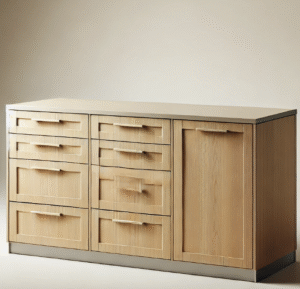
Starting a kitchen cabinet business can be an exciting opportunity if you’re passionate about home improvement, woodworking, or interior design. With homeowners constantly looking to upgrade their kitchens, the demand for custom cabinets, modern finishes, and functional storage solutions continues to rise. But turning this passion into a profitable business requires more than just a love for design — it takes planning, research, and strategy.
In this guide, we’ll walk you through everything you need to know to launch a successful kitchen cabinet business, from planning and setup to marketing and growth.
Understand the Kitchen Cabinet Market 🏡
Before diving in, you need to know the demand, competition, and trends driving the kitchen cabinet industry. The market for kitchen remodeling is booming — and cabinets make up a significant portion of the cost. According to Business News Daily, homeowners are increasingly investing in kitchen renovations to boost property value and improve functionality.
Trends to note:
-
Customization is key – Homeowners want cabinets that fit their unique style and space.
-
Sustainability matters – Eco-friendly materials are growing in popularity.
-
Smart storage solutions – Cabinets with built-in organizers and space-saving designs are in demand.
Researching your local market will help you understand your ideal customer, pricing expectations, and gaps you can fill with your services.
Create a Business Plan 📌
A well-structured business plan is your roadmap to success. It should outline your business model, target audience, marketing strategy, and financial projections. According to Entrepreneur, businesses with a written plan are far more likely to achieve long-term growth.
Key sections to include:
-
Executive Summary – A clear snapshot of your business vision and goals.
-
Market Research – Your findings on industry trends, competitors, and target demographics.
-
Products & Services – What types of cabinets you’ll offer: stock, semi-custom, or fully custom.
-
Pricing Strategy – Decide how you’ll price your cabinets to stay competitive while maintaining healthy profit margins.
-
Marketing Plan – How you’ll reach customers online and offline.
-
Financial Projections – Expected costs, revenue, and profitability for at least the first three years.
Register Your Business and Get Licensed 📝
Before you can open your doors, you’ll need to handle the legal side of things.
Steps to follow:
-
Choose a Business Structure – Options include sole proprietorship, LLC, or corporation.
-
Register Your Business Name – Check availability in your state.
-
Apply for an EIN – Needed for taxes and business banking.
-
Obtain Licenses and Permits – Requirements vary by state but may include a contractor’s license, especially if you’re installing cabinets.
-
Get Insurance – Protect your business with liability insurance and, if you hire employees, workers’ compensation coverage.
Find a Reliable Supplier or Set Up Your Workshop 🔧
Decide early whether you’ll build cabinets in-house or source them from a manufacturer:
-
Building Cabinets In-House – Requires investment in woodworking tools, materials, and skilled labor. This allows for greater customization and control over quality.
-
Sourcing Cabinets – Partnering with established manufacturers saves you time and equipment costs but limits customization.
Look for suppliers who offer consistent quality, reasonable prices, and reliable delivery schedules. If you plan to build your own, ensure your workshop is equipped with essentials like saws, routers, drills, clamps, and finishing stations.
Build a Strong Online Presence 🌐
In today’s digital world, your website is often the first impression potential customers have of your business. Make sure it’s professional, easy to navigate, and optimized for search engines.
Include:
-
High-Quality Photos – Showcase your best work.
-
Detailed Service Pages – Highlight different cabinet styles, materials, and finishes.
-
Customer Reviews – Build trust with testimonials and case studies.
-
Clear CTAs – Encourage visitors to request quotes or book consultations.
Don’t overlook social media platforms like Instagram and Pinterest, where homeowners look for kitchen inspiration. Sharing before-and-after transformations can make your business stand out.
Master Your Marketing Strategy 📣
Marketing is where many new cabinet businesses succeed or fail. You need a strategy that attracts leads and converts them into paying customers.
Effective tactics include:
-
Search Engine Optimization (SEO) – Optimize your website so you show up when people search for kitchen cabinets in your area.
-
Pay-Per-Click Advertising (PPC) – Use Google Ads or Facebook Ads to target homeowners actively looking for renovations.
-
Local Listings – Claim your business on Google Business Profile and keep your info updated.
-
Networking with Contractors and Designers – Build partnerships with professionals who can refer clients.
-
Content Marketing – Share valuable tips, such as “How to Choose the Perfect Kitchen Cabinets,” to position yourself as an authority.
For more marketing trends, check Forbes Business to stay ahead of your competitors.
Focus on Customer Experience 💡
Your reputation will make or break your business. From initial consultation to installation, ensure you deliver an exceptional experience.
Tips to stand out:
-
Offer free design consultations to attract leads.
-
Provide transparent pricing upfront to build trust.
-
Keep clients updated throughout the project to avoid surprises.
-
Offer warranties to give customers peace of mind.
Happy clients become repeat customers and refer others — the most powerful marketing tool you have.
Manage Your Finances Wisely 💰
Starting a kitchen cabinet business requires an initial investment in tools, inventory, and marketing. Plan your finances carefully:
-
Track expenses and income with accounting software.
-
Set aside funds for taxes and unexpected costs.
-
Consider financing options like small business loans or equipment leasing if needed.
According to Inc. Business News, businesses with clear financial planning are better equipped to handle growth and market fluctuations.
Scale Your Business Strategically 📈
Once you’ve established a steady flow of clients, think about scaling your operations. Expansion opportunities include:
-
Offering related products, like countertops or hardware.
-
Opening a showroom to showcase designs.
-
Hiring more staff or subcontractors to take on larger projects.
-
Expanding into new markets or service areas.
Remember, sustainable growth happens when you balance innovation with operational efficiency.
Conclusion: Turning Cabinets into Profits 🎯
Starting a kitchen cabinet business can be both rewarding and profitable if approached with the right mindset and strategy. By understanding the market, creating a solid plan, building a strong online presence, and delivering top-notch customer service, you’ll set yourself up for long-term success.
The kitchen is the heart of the home — and your business can help transform it. With persistence, creativity, and business savvy, you can carve out your place in this thriving industry.